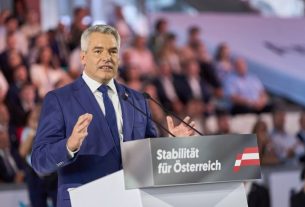
Austrians are fed up and for good reason. They’re shelling out roughly €1,000 more each year for groceries than Germans just across the border. Chancellor Stocker is now calling this price gap what it is: unfair. And he’s taking the fight to Brussels.
The problem? Territorial supply restrictions. Big multinational brands tell retailers exactly where they can and can’t sell their products, creating wildly different prices across Europe for the exact same items. Your favorite cereal, laundry detergent, or shampoo could cost you significantly more simply because of your zip code.
The Vienna Chamber of Labor crunched the numbers, and the results are eye-opening. Everyday essentials in Austria cost about twenty-five percent more than in Germany. Some products? Nearly double the price.
This “Austria surcharge” has become a political hot potato. The government wants it gone, but there’s a catch: only the EU can ban these territorial restrictions. Austria can’t go it alone without breaking internal market rules.
Enter Thursday’s special EU summit in Belgium. The twenty-seven European leaders will discuss strengthening the continent’s competitiveness, and Chancellor Christian Stocker is bringing his shopping list. Top priorities: lower energy costs and killing the Austria surcharge once and for all.
Stocker isn’t pulling punches. He’s told EU Commission President Ursula von der Leyen repeatedly that Austrians paying more for identical products is simply unacceptable. In his New Year’s speech, he even suggested giving the European Council power to propose new laws directly, rather than waiting endlessly for the Commission to act.
A spokesperson for the Chancellor put it bluntly: fair trade means no more unjustified price penalties. The Commission needs to deliver concrete solutions not just talk, so Austrian families can finally catch a break at the checkout counter.
Whether Thursday’s summit brings relief or just more bureaucratic delays remains to be seen. For now, Austrians keep paying the premium.