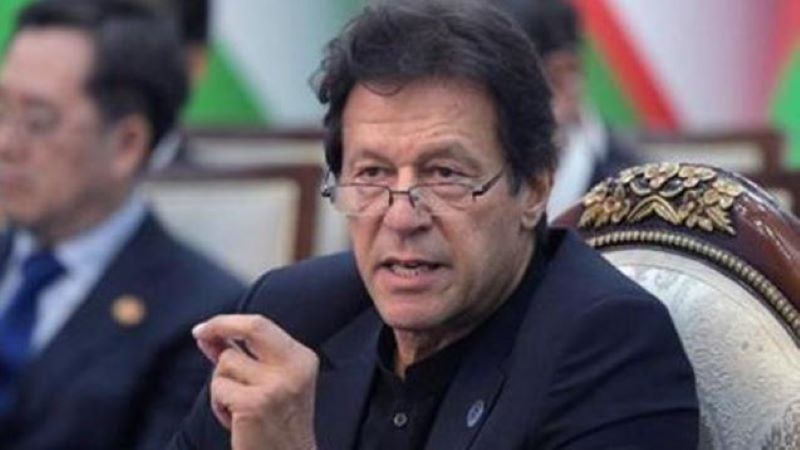
Behind the cold walls of Adiala Jail, Pakistan’s opposition leader Imran Khan is fighting a battle beyond politics this time, for his eyesight, according to The Nation.
The Pakistan Tehreek-e-Insaf party dropped a bombshell Thursday: their imprisoned founder has lost nearly all vision in his right eye, allegedly due to deliberate medical neglect during his solitary confinement. PTI Secretary General Salman Akram Raja didn’t mince words, calling it a “crime committed by the state.”
The grim details emerged during Supreme Court proceedings when PTI counsel Salman Safdar submitted a medical report revealing Khan retains merely fifteen percent vision in his affected eye. What followed was a damning account of institutional indifference.
According to party leaders, Khan’s nightmare began in November with severe eye pain. By December, his vision had vanished completely. Yet instead of rushing him to specialists, jail authorities reportedly offered nothing more than basic eye drops the kind you’d use for minor irritation. No hospital transfer. No ophthalmologist. Just drops and darkness.
Raja specifically accused former jail superintendent Abdul Ghafoor Anjum of negligence, revealing Khan has ordered legal action against him. The superintendent was quietly replaced on January 16, but precious time had already been lost. It took another ten days before a specialist from Pakistan Institute of Medical Sciences finally examined Khan inside the jail, not a proper medical facility.
The diagnosis: retinal occlusion, a serious condition requiring immediate intervention. Khan was eventually taken to PIMS for treatment, including emergency injections. He’s regained minimal light perception, but his vision remains devastated.
This isn’t an isolated incident. PTI workers and leaders have long complained of inhuman treatment beatings, torture, denied medical care, and prolonged solitary confinement. Meanwhile, Pakistan’s judiciary, often criticized as subservient to military establishment, has repeatedly denied them justice.
“This is painful and terrifying,” Raja told reporters outside the Supreme Court, flanked by Khan’s sister and Khyber Pakhtunkhwa Chief Minister. He demanded independent doctors examine the former prime minister immediately.
The question haunting Pakistan’s opposition: if this can happen to a former prime minister, what fate awaits ordinary political prisoners in the shadows?