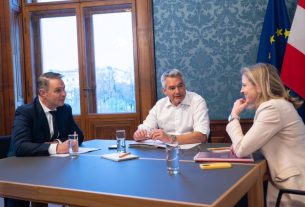
VIENNA — Austria’s Labour and Social Affairs Minister, Korinna Schumann (SPÖ), has proposed shortening the exemption period during which young mothers with asylum status are not required to participate in mandatory integration measures, cutting it from three years to two. The idea, first floated in interviews with several newspapers and confirmed by a spokesperson to the Austrian Press Agency, aims to open the door earlier for affected women to attend German courses, access qualification programs, and enter the job market, according to ORF News.
Schumann says the change would strengthen economic independence and social participation for asylum-seeking mothers, while bringing the rule closer into line with Austria’s existing parental leave regulations for working women. “Women should have the opportunity earlier to learn German, gain qualifications, and become economically independent,” she said. “Moreover, the principle remains: whoever can work, must work.” Under current rules, the exemption lasts until a child turns three; the proposal would end it at the second birthday.
The Integration Ministry, led by Claudia Bauer (ÖVP), responded that the draft Integration Obligation Act already includes measures for women with children of any age, with German courses, childcare, and flexible scheduling already available. NEOS, the third coalition party, backed the move, insisting integration “must happen from day one” and that exemption periods should be shortened further. “No one can seriously welcome the idea of someone living in Austria for years without learning German or integrating,” said NEOS leader Yannick Shetty.
The Greens welcomed the proposal as a step toward better opportunities and independence for women, but integration spokesperson Sigrid Maurer called it unacceptable that the government announces new restrictions without delivering adequate courses. FPÖ social spokesperson Dagmar Belakowitsch dismissed the plan as a “PR gimmick” that misses the real problems, arguing integration is a “duty to contribute” and that participants should finance their own courses.