Amnesty International has issued a stark warning over Pakistan’s recently enacted 27th Constitutional Amendment, calling it the culmination of a “concerted and sustained attack” on judicial independence, the right to a fair trial, and the rule of law, according to Dawn News. The global human rights organization urged Pakistani authorities to conduct an urgent review of the amendment to ensure compliance with international human rights obligations.
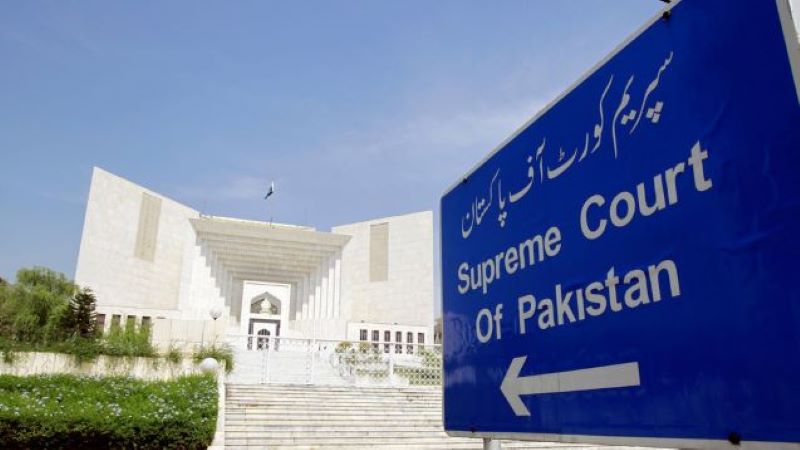
Passed by Parliament after days of heated debate, opposition protests, and last-minute changes, the amendment introduces sweeping constitutional reforms. Central among them is the establishment of a new Federal Constitutional Court (FCC), which replaces the Supreme Court’s constitutional benches and assumes exclusive authority over constitutional interpretation and fundamental rights cases. Amnesty argues the move significantly weakens judicial independence and undermines access to justice.

In a detailed statement, Amnesty said the amendment “insulates the president and the heads of the armed forces from accountability” and grants sweeping powers to the executive over judicial appointments and transfers. The organization warned that these provisions violate international human rights law, particularly guarantees related to judicial independence, equality before the law, and the right to effective remedies.
Concerns intensified following the resignation of two senior Supreme Court judges on the day the amendment was signed into law, followed days later by the resignation of a Lahore High Court judge. Amnesty described these developments as symptomatic of mounting pressure on the judiciary.
The rights group also linked the 27th Amendment to the earlier 26th Constitutional Amendment passed in 2024, which altered the composition of the Judicial Commission of Pakistan (JCP). That change reduced the number of judicial members and increased representation from Parliament, a shift Amnesty says risks politicizing judicial appointments. The 26th Amendment also transferred the Supreme Court’s original and advisory jurisdiction to newly created constitutional benches, a structure now dismantled by the creation of the FCC.
Amnesty said both amendments were adopted hastily and without meaningful consultation with civil society, the legal community, or opposition parties. The draft of the 27th Amendment, it noted, was made public only hours before being presented in the Senate.
The organization further highlighted broader concerns about attacks on the judiciary over the past two years. It cited a March 2024 open letter by six Islamabad High Court judges alleging intimidation by intelligence agencies, surveillance, and pressure over politically sensitive cases. Subsequent incidents included anonymous complaints against judges, online smear campaigns, and reports of direct threats.
Amnesty also questioned the legitimacy of the parliamentary process at the time the amendment was passed, noting that several opposition leaders had been disqualified following convictions linked to protests in 2023. It pointed to unresolved disputes over reserved parliamentary seats for the Pakistan Tehreek-e-Insaf (PTI), which ultimately helped the ruling coalition secure a two-thirds majority.
The establishment of the FCC, Amnesty warned, carries serious implications. The new court is not bound by Supreme Court precedent, its jurisdiction overlaps ambiguously with existing courts, and its judges were initially appointed directly by the executive. The president also holds the power to determine the number of FCC judges, raising fears of court “capture.”
Additionally, the amendment grants lifetime immunity from criminal prosecution to the president and senior military ranks, a provision Amnesty says violates the principle of equality before the law and paves the way for unchecked power.
Calling the amendment “hastily adopted,” Amnesty echoed concerns raised by the UN High Commissioner for Human Rights and Pakistan’s own Human Rights Commission. It urged authorities to reverse course, protect judicial independence, and uphold the separation of powers es