The political battle over the future shape of Jammu and Kashmir has sharpened, with the National Conference (NC) forcefully rejecting any proposal to grant separate statehood to Jammu and renewing its demand that Ladakh be reunified with Jammu and Kashmir.
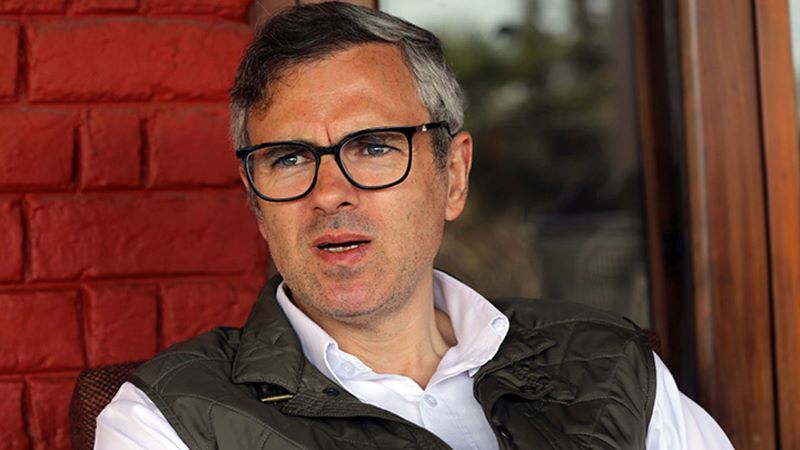
Senior NC leaders, including Chief Minister Omar Abdullah and cabinet minister Javed Rana, warned that further territorial fragmentation would deepen political divisions, weaken democratic representation, and destabilize a strategically sensitive border region.
Responding to recent remarks by Bharatiya Janata Party (BJP) leaders advocating separate statehood for Jammu, Abdullah accused the party of pursuing a deliberate strategy to dismantle Jammu and Kashmir. He argued that the 2019 decision to carve Ladakh out as a Union Territory had already undermined regional balance and governance.
“Breaking Jammu away would be another step toward destroying Jammu and Kashmir,” Abdullah said, adding that repeated redrawing of political boundaries has produced administrative confusion and public alienation rather than stability.
The NC’s position goes beyond opposition to Jammu’s separation. Javed Rana asserted that Ladakh’s current Union Territory status has failed to deliver political empowerment or responsive governance. He said reunification with Jammu and Kashmir would restore administrative coherence and ensure stronger local representation, warning that continued centralization risks marginalizing local voices.
The controversy was sparked after former BJP minister Sham Lal Sharma suggested that separate statehood for Jammu reflected long-standing regional aspirations. The NC swiftly rejected the claim, labeling the proposal dangerous, anti-people, and regionally divisive. Party leaders argue there is no broad-based popular movement backing Jammu’s separation and accuse the BJP of inflaming regional sentiment for political gain.
NC leaders also raised security concerns, cautioning that further fragmentation of a border-sensitive region could complicate security coordination and fuel instability. They accused the BJP of using territorial restructuring to divert attention from unresolved issues such as unemployment, inflation, and delayed development.
Public sentiment across Jammu and Kashmir remains mixed. While some in Jammu have voiced concerns over neglect, there is no clear consensus supporting separate statehood. In Ladakh, meanwhile, civil society groups have increasingly questioned the Union Territory model, seeking stronger political safeguards.
As debates over the restoration of statehood and democratic rights intensify, the clash between unity and further division is emerging as a defining political fault line for the region.