Violence mars nationwide protests in France over schools and living costs
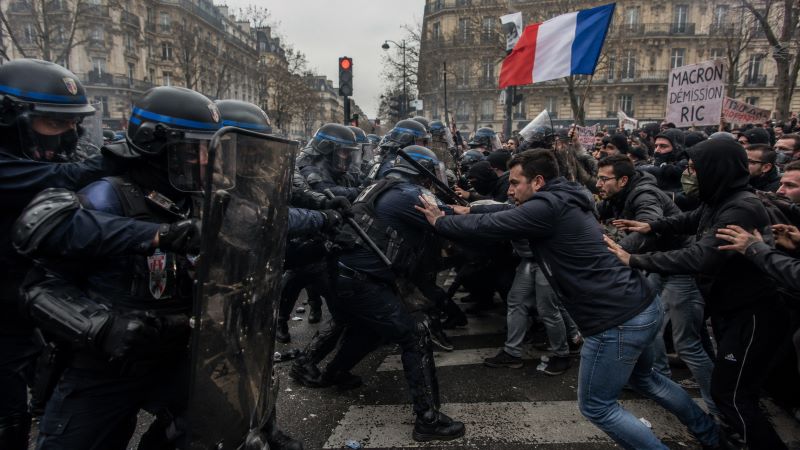
Protesters clashed with police in Paris and several other French cities on Saturday during a major day of demonstrations over deteriorating school conditions and the rising cost of living, reported by BBC News.
Hundreds of people were arrested across the country as marches organised by students, trade unions and supporters of the “yellow vest” movement brought crowds onto the streets. Authorities said 272 people had been detained by mid-afternoon, while the Interior Ministry reported attacks on police officers, looting and damage to public buildings.
In Paris, demonstrators confronted riot police amid smoke, shattered glass and street barricades. Journalists at the scene reported that buildings near the protest route had been damaged, while some participants threw bottles and took part in looting. Police used tear gas and batons to disperse groups attempting to block traffic in the capital, Marseille and Lyon.
The unrest spread beyond Paris. In Lyon, a tourism office was set on fire, sending flames and black smoke into the air. Protesters also broke into and damaged town halls in Lille and Marseille, where officers later cleared the buildings. The Interior Ministry condemned what it described as “targeted acts of violence.”
French Prime Minister Sébastien Lecornu said citizens had the right to protest peacefully, but insisted there was no place for “arson, looting, and attacks.” Officials blamed the violence on what they called “ultra left” groups, although many demonstrators marched peacefully to demand better schools, higher wages, lower prices and stronger public services.
Saturday’s protests followed more than three weeks of student led demonstrations that began over teacher shortages, crumbling school buildings and inadequate resources. The movement widened after student groups called on workers’ unions and figures from the yellow vest movement which emerged in 2018 amid anger over fuel prices and inequality to join them.
The demonstrations have deepened political pressure on the government, with concerns growing over both the state of public education and the broader cost of living crisis.