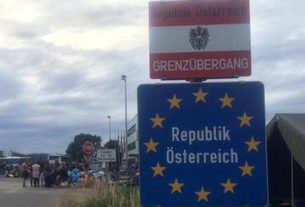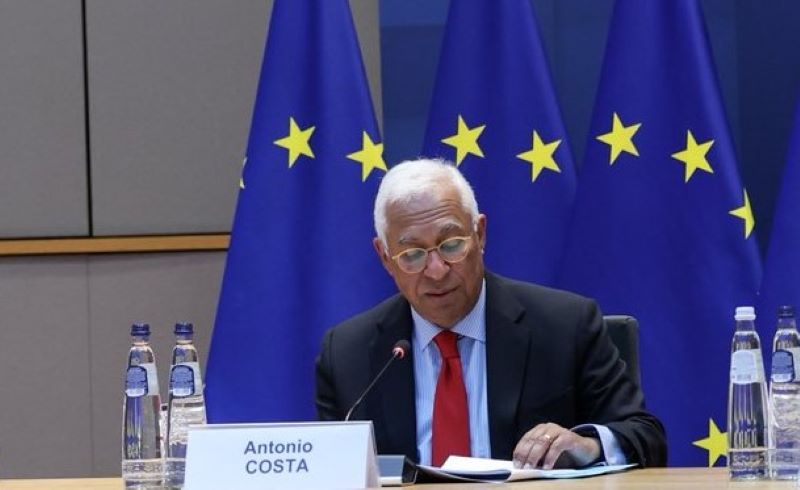
VIENNA: EU Council President António Costa met Austrian Chancellor Christian Stocker in Vienna on Tuesday to discuss the European Union’s next long-term budget, which will cover the years 2028 to 2034.
Austria is one of the EU’s net contributor countries. These countries pay more into the bloc’s budget than they receive through European programmes and subsidies. Austria and other net contributors have recently called for significant cuts to the proposed budget, as reported by the Kronen Zeitung.
The European Commission presented major changes to the structure of the Multiannual Financial Framework in July 2025. Under its proposal, the current 52 programmes would be brought together into 16. The aim is to make the EU’s long-term budget simpler and easier to manage.
Costa’s visit to Vienna is part of his “tour of capitals”, during which he is meeting national leaders to discuss the difficult budget negotiations. Later on Tuesday, he was scheduled to travel to Rome to meet Italian Prime Minister Giorgia Meloni and then to Paris for talks with French President Emmanuel Macron.
EU leaders still hope to reach a political agreement on the 2028–2034 budget by the end of this year, according to sources in the European Council.
Officials fear that negotiations could become even more difficult next year, when several important national elections are due to take place. Changes in government or at the head of major member states could make it harder for the EU to find a common position.
France will hold its presidential election in spring 2027. Macron cannot seek another term after serving two consecutive terms.
Recent opinion polls show far-right leader Marine Le Pen in first place, with support of between 34 and 36 percent. Centre-right politician Édouard Philippe and left-wing populist Jean Luc Mélenchon are competing for the next position and could also reach the final round.
Against this uncertain political background, EU officials want to settle the budget framework as soon as possible. The negotiations will determine how the bloc finances its programmes, supports its regions and responds to future challenges.