Afghanistan’s ruling Taliban authorities are facing renewed international criticism after the United Nations’ top human rights official warned that a new decree could expand executions and deepen repression across the country, especially against women and girls, according to Reuters.
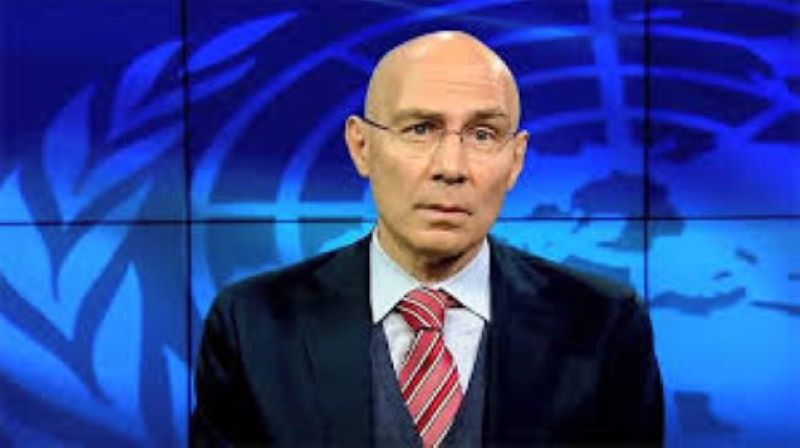
Volker Türk, the United Nations High Commissioner for Human Rights, told the Human Rights Council in Geneva that the decree, signed by Taliban supreme leader Hibatullah Akhundzada, defines new crimes and punishments that violate Afghanistan’s international obligations. Although the full text has not been released publicly, he said the order is expected to take effect soon.
According to Türk, the decree allows corporal punishment for a wide range of offences, including actions within the home. He warned that such measures could legitimize violence against women and children and expand the list of crimes punishable by death. The order also reportedly criminalizes criticism of Taliban leadership and policies, raising concerns about freedom of speech and assembly.
Since returning to power in 2021, the Taliban has steadily restricted women’s rights. Girls are barred from education beyond primary school, and women face tight limits on work, travel, and public life under a series of morality rules. Türk urged Taliban authorities to withdraw the decree, halt executions, and end corporal punishment, saying Afghan women and girls now live under what he described as “gender apartheid.”
The Taliban maintains that women’s rights are an internal matter to be handled according to local traditions.
Türk also expressed alarm over rising civilian casualties along the Afghanistan–Pakistan border after recent Pakistani airstrikes reportedly killed 13 civilians. Pakistan says it targeted militant hideouts inside Afghanistan, while Taliban officials deny the presence of such bases and condemned the strikes as a violation of sovereignty. He called for urgent dialogue to prevent further escalation.