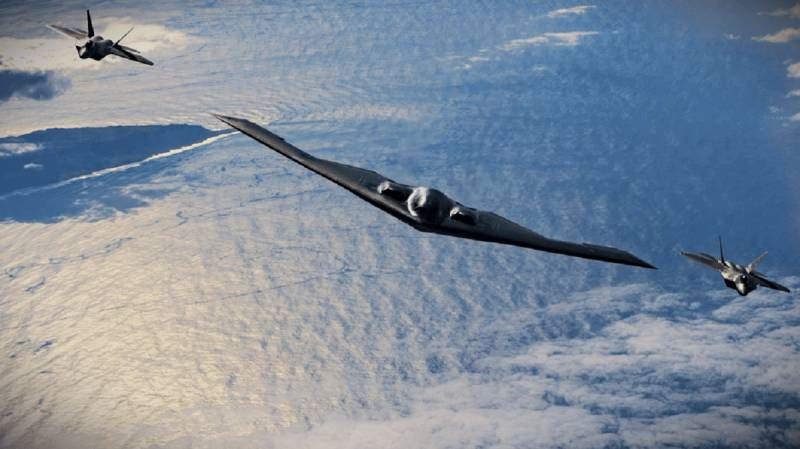
In a significant military move, the United States conducted precision airstrikes targeting underground weapons bunkers controlled by the Iran-backed Houthi forces in Yemen. The strikes, executed by B-2 Spirit stealth bombers, are seen as part of a broader strategy to deter Iran and signal increased U.S. engagement in the region’s escalating conflicts. This marks one of the rare instances where America has employed its stealth bombers outside of previous campaigns in Afghanistan and Iraq.
Backdrop: A Regional Conflict Intensifies
The strikes come amid heightened tensions in the Middle East, with the Houthis and Israel becoming embroiled in a growing conflict. In recent weeks, Houthi forces have launched missile and drone attacks toward Israel in response to the ongoing Israel-Hamas war in Gaza. The Houthis, who are aligned with Iran and wield considerable influence in Yemen, have pledged to support “resistance movements” across the region, and have intensified their rhetoric and military actions against Israeli and U.S. interests.
The U.S. strikes aim to disrupt the Houthis’ ability to further escalate the situation by curbing their missile capabilities. The targeted bunkers reportedly housed advanced conventional weapons and missile systems used to threaten international shipping and military assets in the Red Sea, Bab Al-Mandeb Strait, and Gulf of Aden. The Houthis have repeatedly targeted American and international vessels in these strategic waterways, escalating concerns over maritime security.
A Strategic Signal to Iran
According to U.S. Central Command (CENTCOM), the airstrikes aimed to degrade the Houthis’ capacity to carry out “reckless and unlawful” attacks on shipping lanes and U.S. assets. The precision strikes were specifically focused on hardened underground bunkers that stored sophisticated weapons, including missiles and components used in recent assaults on vessels navigating the Red Sea and Gulf of Aden. CENTCOM stated that the employment of B-2 Spirit stealth bombers showcased America’s global strike reach, and signaled to adversaries like Iran that the U.S. can act decisively “anytime, anywhere.”
The choice to deploy the B-2 bomber for the operation is widely interpreted as a message directed at Tehran, which has been a key backer of the Houthis and other proxy forces across the region. The strikes appear to underscore the U.S.’s readiness to counter Iranian influence in Yemen and to respond to threats against its regional partners and shipping routes. U.S. officials did not directly mention Iran in their statements, but the emphasis on “global strike capabilities” indicates an intention to deter Iranian activities and proxy aggression in the Middle East.
Escalating Hostilities and Strategic Implications
The recent escalation between the Houthis and Israel has broadened the scope of the ongoing regional conflicts. The Houthis, positioned in northern Yemen, have become more active in using missile and drone attacks as a form of retaliation for Israel’s military actions in Gaza, thereby expanding the Israel-Hamas war’s impact. The U.S.’s involvement, through these airstrikes, signals a growing concern about the Houthis’ capacity to disrupt regional stability and potentially drag the U.S. and its allies into a wider conflict.
The American strikes also serve as a warning to Iran, which has leveraged the Houthis to exert influence over Yemen and the surrounding waterways, vital for global oil transport. By targeting the bunkers, the U.S. aims to curtail the Houthis’ offensive potential, sending a clear message that attacks on U.S. and allied interests will not go unanswered. CENTCOM stressed that the actions were precautionary, designed to prevent further threats to commercial and military navigation in the region.
Assessment and Future Implications
U.S. officials are currently evaluating the impact of the strikes, with early reports indicating no civilian casualties. The precision nature of the airstrikes was emphasized to avoid escalation and ensure the protection of civilian areas. The U.S. aims to degrade the military capabilities of the Houthis while also reinforcing a deterrent posture towards Iran.
As the situation evolves, the strikes underscore a renewed U.S. commitment to maintaining security in the Red Sea and Gulf of Aden, signaling that the U.S. is prepared to escalate its involvement if regional hostilities intensify further. The move also aligns with the broader strategy of countering Iran’s influence across the Middle East, reinforcing alliances with partners like Israel while aiming to stabilize a volatile region.