Starmer Urges Allies to Boost Ukraine’s Long-Range Missile Capabilities
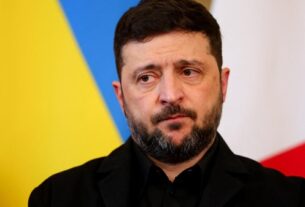
LONDON — British Prime Minister Keir Starmer on Thursday pressed Western allies to strengthen Ukraine’s long-range strike capacity, telling President Volodymyr Zelensky that “there’s further we can do” to bolster Kyiv’s battlefield reach as Russia’s invasion grinds toward a fourth winter.
Hosting Zelensky at 10 Downing Street, Starmer reaffirmed the U.K.’s commitment to Ukraine’s defense and called for greater cooperation among allies in what he described as a “coalition of the willing.” The meeting came ahead of a London summit gathering key Ukraine backers, including NATO Secretary General Mark Rutte, Denmark’s Mette Frederiksen, and the Netherlands’ Dick Schoof with French President Emmanuel Macron joining virtually.
The two leaders embraced outside Downing Street before private talks, with Starmer hailing “huge steps forward” in international support for Kyiv. Earlier in the day, Zelensky met with King Charles III at Windsor Castle. their third meeting this year, where the Ukrainian anthem played as he arrived.
The diplomatic push follows Zelensky’s trip to Washington last week, where U.S. President Donald Trump declined his request for long-range Tomahawk missiles to strike targets deep inside Russia. The setback underscored Kyiv’s growing frustration as Western attention is divided by other global crises.
Starmer said the U.K. would accelerate a program to produce more than 5,000 air defense missiles for Ukraine, including 140 lightweight multirole systems set for delivery this winter. Britain and France already supply Storm Shadow and Scalp missiles, while Kyiv continues to lobby Berlin for Taurus missiles a request Germany has resisted over fears of escalating tensions with Moscow.
Meanwhile, European Union leaders meeting in Brussels took tentative steps toward funding Ukraine’s defense for another two years. They are also weighing a €140 billion ($162 billion) “reparations loan” backed by frozen Russian assets; a controversial proposal opposed by Belgium but welcomed by Zelensky as a sign of “political support.”