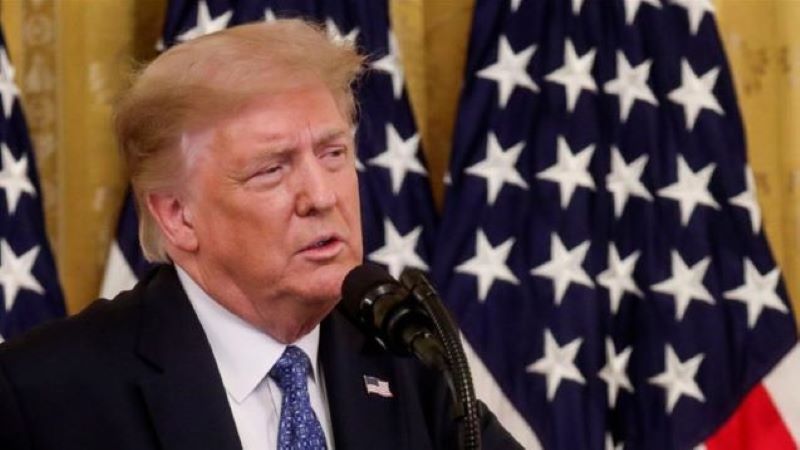
In a bold display of his administration’s immigration efforts, President Donald Trump highlighted the early successes of his crackdown on illegal immigration, despite concerns over due process violations. On Monday, Trump announced plans to sign an executive order targeting cities and states that do not fully cooperate with federal immigration laws. His decision to escalate the campaign follows a steep decline in illegal border crossings during his first 100 days in office.
Trump’s aggressive approach to immigration enforcement includes sending more troops to the southern border and pledging to deport millions of people living in the U.S. illegally. The White House reported that illegal crossings dropped significantly, with U.S. Border Patrol arresting only 7,200 migrants in March, the lowest monthly total since 2000. This figure marked a stark contrast to the peak of 250,000 arrests in December 2023, which Trump’s team highlighted as evidence of progress.
Despite the successes, critics have voiced concerns about the impact of these policies on immigrants’ rights. Civil rights groups have condemned the administration’s tactics, especially after reports of U.S. citizen children being deported alongside their parents. One such case involved a child with a rare form of cancer, which the American Civil Liberties Union (ACLU) condemned as a violation of due process.
Immigration and Customs Enforcement (ICE) facilities have faced overcrowding, with more than 48,000 detainees held as of early April, surpassing the capacity of 41,500. Trump’s administration has even turned to military bases like Fort Bliss and the Guantanamo Bay naval base to house detainees.
The White House also made public photos of individuals charged with serious crimes like murder and rape, further fueling Trump’s argument that immigration enforcement is critical to public safety. However, studies show immigrants generally commit fewer crimes than native-born citizens.
Trump’s executive order, expected to be signed on Monday, aims to pressure so-called “sanctuary” cities and states that refuse to comply with federal immigration laws. While the crackdown continues, it remains clear that the nation is deeply divided on Trump’s immigration policies.