US President Donald Trump has again made a dramatic claim about the Strait of Hormuz, saying he could soon declare the strategically important waterway US territory after the war with Iran. But within hours, a senior White House official said Trump had not discussed such a plan with his advisers and had been joking during his speech in New York.
The episode has added another layer of uncertainty to an already tense confrontation between Washington and Tehran. Speaking at a political event in Garden City, New York, Trump said that after defeating Iran, he would “pretty soon” declare the Strait of Hormuz a US territory. He laughed as he made the remark, although he then appeared to insist that he meant it.
Iran has shown little sign of taking the statement seriously. Iranian officials have rejected US claims of control over the waterway, describing them as false and insisting that the strait remains under Iranian authority, according to Anadolu Agency. Tehran has also made clear that the waterway will not simply be opened because of a US presidential declaration or military threat.
The reaction reflects a wider pattern. Trump has repeatedly used strong threats and deadlines during the Iran conflict, only to soften, postpone or reverse some of them. In March, for example, he backed away from an ultimatum demanding that Iran reopen the strait, while in July he reversed an earlier proposal to charge ships passing through Hormuz. Analysts said such reversals could weaken confidence in US policy.
That history has encouraged both Iran and other international observers to treat some of Trump’s most dramatic statements with caution. This does not mean that governments dismiss US military or economic power. Rather, there is growing uncertainty over which threats represent firm policy and which are political rhetoric, pressure tactics or negotiating moves.
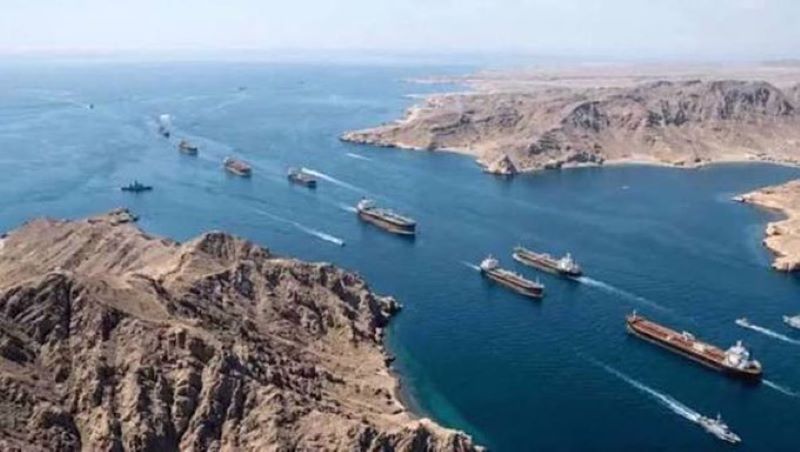
The issue is especially sensitive because the Strait of Hormuz is one of the world’s most important energy routes. The waterway normally carries a large share of global oil and gas shipments, so any prolonged disruption can quickly affect energy prices and economies far beyond the Middle East. Current shipping data indicate that traffic has fallen sharply during the conflict.
The dispute also presents a challenge for America’s allies. European and NATO governments must balance their relations with Washington against concerns about regional escalation and freedom of navigation. Trump’s willingness to make sweeping declarations, followed by occasional reversals, has already raised questions about the reliability and predictability of US policy.
For now, Tehran appears more interested in the realities of military power, diplomacy and control of shipping routes than in Trump’s latest words. Washington, meanwhile, continues to claim that it can protect maritime access. Between those competing positions lies the narrow and heavily watched Strait of Hormuz; a passage of water that has become a symbol of the uncertainty surrounding the wider US-Iran conflict.