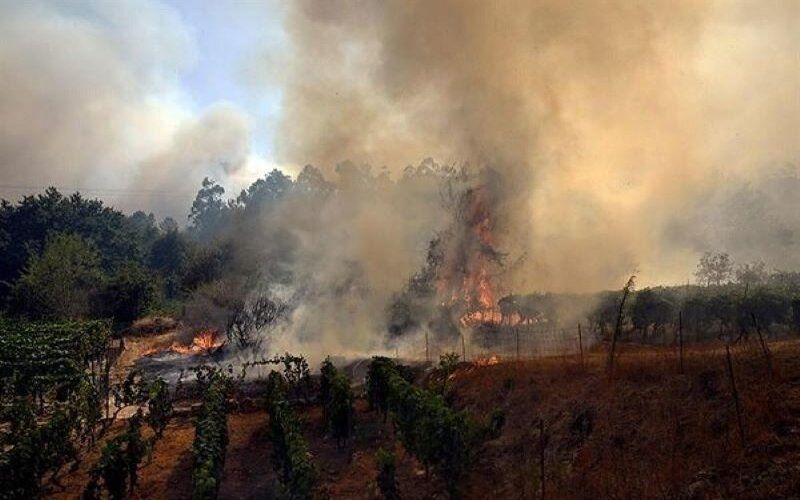
Spain has emerged from a searing 16-day heatwave that left more than 1,100 people dead, according to estimates released by the Carlos III Health Institute, reported by Mehr News Agency. The relentless stretch of extreme heat, which gripped the country from August 3 to 18, has underscored once again the deadly toll of a warming climate.
Officials reported 1,149 “excess deaths” during the period—fatalities above the expected seasonal average—that can likely be attributed to the scorching temperatures. The estimate comes from Spain’s Mortality Monitoring System (MoMo), which analyzes mortality data alongside weather information from the national meteorological agency, AEMET.
While MoMo cannot confirm a direct cause in every case, public health experts say the system offers the most reliable picture of how extreme heat accelerates mortality, particularly among the elderly, the chronically ill, and those without access to adequate cooling.
This is not an isolated tragedy. In July, the same institute estimated 1,060 excess deaths linked to heat—nearly 60 percent higher than the toll from the same month last year. Together, the back-to-back figures paint a sobering picture of how swiftly Spain’s summers are intensifying.
Climate scientists warn that global warming is making such events longer, harsher, and more frequent. What was once considered an anomaly is increasingly the new normal: heatwaves stretching on for weeks, pushing health systems to their limits, and leaving communities with little time to recover before the next surge in temperatures arrives.
For many Spaniards, this summer has been not just an endurance test but a glimpse into a future defined by climate extremes. And for officials, the rising toll has become a stark reminder that public health planning must reckon not only with the present but with the accelerating pace of climate change itself.