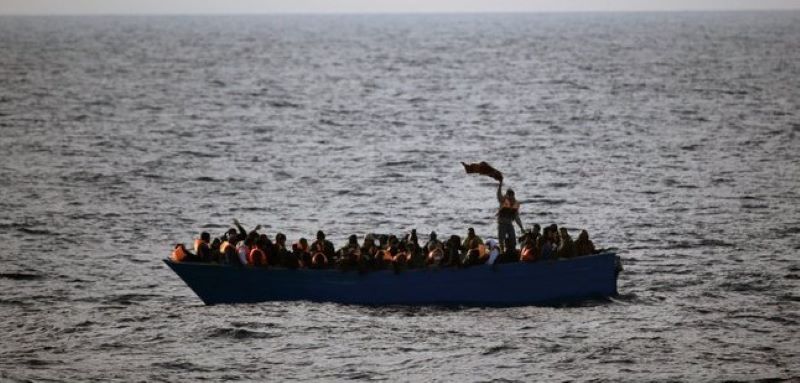
Human smuggling and trafficking from South Asia to Europe have emerged as a grave crisis, reflecting the devastating impact of economic instability, political unrest, and human rights violations in countries like Pakistan, India, and Afghanistan. The recent Greece boat disaster, which claimed numerous Pakistani lives, highlights the perils faced by desperate individuals seeking a better future across dangerous routes.
Root Causes of the Exodus
At the heart of this migration crisis lies a chronic lack of economic opportunities. High unemployment rates, exacerbated by political turmoil and inefficient governance, have left countless families in Pakistan, India, and Afghanistan struggling to make ends meet. In Pakistan, the state’s inability to generate jobs and ensure equitable resource distribution has led many to see migration as their only hope for survival. Similarly, Afghanistan’s decades of conflict and instability, alongside India’s regional disparities and economic challenges, have created fertile ground for traffickers to exploit vulnerable populations.
For these individuals, the promise of greener pastures in Europe often becomes a beacon of hope. However, such aspirations come at a steep cost. Human traffickers, operating under the guise of providing safe passage, prey on these hopes, charging exorbitant sums while subjecting migrants to inhumane conditions and life-threatening risks.
The Greece Tragedy and the Need for Accountability
The Greece boat disaster, where a significant number of Pakistani migrants lost their lives, underscores the human cost of this crisis. The Supreme Court Bar Association of Pakistan (SCBAP) expressed profound concern over the incident, lamenting the failure of authorities to tackle human smuggling networks effectively. SCBAP President Mian Muhammad Rauf Atta noted that stronger actions against traffickers could have prevented such tragedies. The Association also emphasized the state’s constitutional obligation to provide citizens with adequate livelihoods, reducing the impetus to seek dangerous alternatives abroad.
Broader Implications
The rise in human trafficking and smuggling poses challenges not just for South Asia but also for Europe. Countries along the migration routes face strain on resources, while destination countries grapple with social and political tensions linked to an influx of undocumented migrants. Tragically, the global discourse often overlooks the root causes of migration, focusing instead on border security rather than addressing the systemic failures driving individuals to leave their homelands.
A Call to Action
To mitigate this crisis, a multi-faceted approach is essential. Governments in South Asia must prioritize economic reforms, job creation, and the protection of human rights to address the root causes of migration. Law enforcement agencies need to intensify crackdowns on trafficking networks, ensuring that smugglers face justice. Meanwhile, international organizations can play a crucial role by providing resources and technical expertise to enhance enforcement capabilities and support economic development programs.
The Greece tragedy serves as a grim reminder of the human cost of inaction. For the countless individuals dreaming of a better life, it is imperative that authorities in South Asia and beyond commit to fostering environments where migration is a desperate necessity, not a choice.