🇵🇰 Crackdown Deepens: Pakistan Disqualifies Key Opposition Leaders Amid PTI’s Struggle for Imran Khan’s Release
ISLAMABAD — In a sweeping move widely seen as part of an intensifying crackdown on the opposition Pakistan Tehreek-e-Insaf (PTI), the Election Commission of Pakistan (ECP) on Tuesday disqualified multiple senior PTI lawmakers, including Opposition Leaders in both the Senate and National Assembly, following their convictions linked to the violent May 9, 2023 protests.
The disqualifications, which now vacate some of the most prominent seats in Parliament, come amid growing domestic and international calls for the release of former Prime Minister Imran Khan, whose incarceration remains the rallying cry of nationwide protests and political unrest.
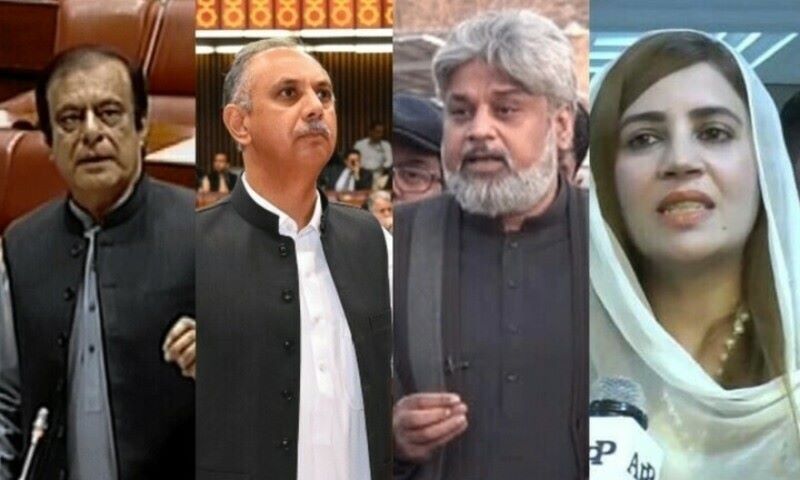
The ECP cited Article 63(1)(h) of the Constitution — disqualifying any person convicted of a crime involving moral turpitude and sentenced to more than two years — as the basis for its decision. Among those barred from holding office are Omar Ayub Khan, opposition leader in the National Assembly; Shibli Faraz, opposition leader in the Senate; Hamid Raza, chief of the Sunni Ittehad Council; Zartaj Gul; Sheikh Rashid Shafique; and several other sitting lawmakers.
The ruling follows a Faisalabad anti-terrorism court (ATC) verdict last week that handed 10-year jail terms to over 100 PTI leaders and activists for their alleged roles in the May 9 riots. Those protests erupted following Imran Khan’s arrest, leading to attacks on military installations and public buildings — an unprecedented event in Pakistan’s political history.
Ayub, in a defiant response on social media, slammed the court’s decision as “bogus” and politically motivated. “We will challenge this farce in every legal forum,” he said, standing outside the Peshawar High Court with fellow PTI leaders and lawyers. He vowed to continue fighting for Khan’s release and to overturn what he called “engineered justice.”
While the ECP insists the disqualifications are legal outcomes of criminal convictions, opposition leaders and rights groups have condemned them as part of a broader authoritarian drift in Pakistan, targeting PTI’s leadership to weaken its electoral muscle ahead of the next general elections.
This latest purge follows a series of similar moves: In late July, the ECP disqualified several other PTI lawmakers, including Senator Ejaz Chaudhry, MNA Mohammad Ahmed Chatta, and MPA Ahmad Khan. Earlier in December, military courts sentenced more than 50 PTI activists — including Khan’s nephew Hassaan Niazi — to lengthy prison terms.
Judicial proceedings tied to the May 9 events have been fast-tracked under Supreme Court orders, with anti-terrorism courts hearing cases daily to meet an August deadline. In one case, 107 out of 108 accused were sentenced to 10 years, while several prominent former ministers, including Fawad Chaudhry and Zain Qureshi, were acquitted due to insufficient evidence.
The trials have drawn scrutiny from international observers, with human rights organizations warning that mass convictions without transparent due process threaten Pakistan’s democratic future.
With Imran Khan still imprisoned and barred from contesting elections, PTI’s political future hangs in the balance. The party, now fractured and under pressure, continues to rally public support through legal challenges and grassroots mobilization, demanding Khan’s release and calling for what it describes as free and fair elections.
Yet, as disqualifications mount and courtrooms remain the new battleground, Pakistan’s fragile democratic fabric finds itself at a crossroads — with power, politics, and justice intertwined more tightly than ever.