Pakistan’s New US Trade Deal Draws Backlash as Tariffs Soar and Oil Costs Spike
Naeem Khan
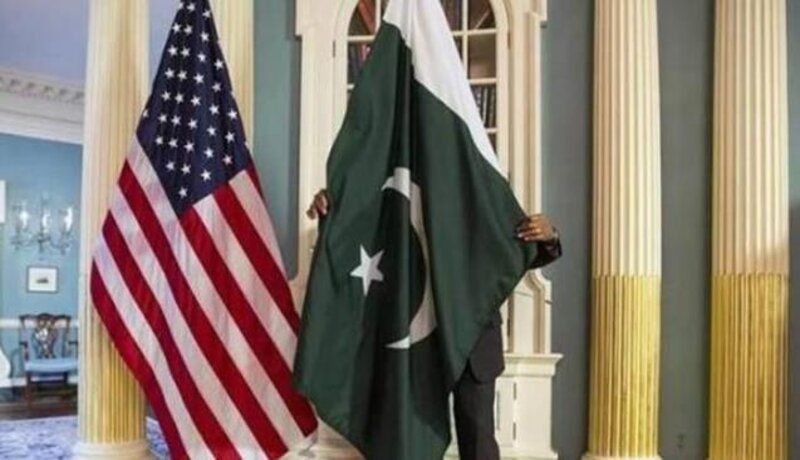
ISLAMABAD/WASHINGTON, August 3, 2025 — A much-hyped trade agreement between Pakistan and the United States, finalized on July 31, has come under intense scrutiny from the country’s business and trade community, who say the deal imposes heavier burdens than benefits. While the government hails it as a “landmark economic breakthrough,” the reality on the ground paints a vastly different picture.
Under the newly concluded trade arrangement, the U.S. has imposed a 19 percent reciprocal tariff on Pakistani exports — up from the previous average tariff of 10.7 percent — effectively neutralizing any prospective gains in market access or competitiveness. In a sharp contrast to Pakistan’s upbeat rhetoric, industry insiders and economic analysts warn the deal may further erode the country’s fragile export base and economic leverage.
Even more troubling: the U.S. is now selling more expensive oil to Pakistan, complete with hefty transportation costs, replacing Pakistan’s prior arrangement of subsidized, deferred-payment oil imports from the Gulf, particularly Saudi Arabia.
“This deal isn’t a win — it’s a concession wrapped in diplomatic packaging,” said a senior textile exporter in Faisalabad. “We’ve essentially agreed to pay more to sell less.”
Textile Sector Takes the Biggest Hit
Textiles account for 77% of Pakistan’s exports to the U.S., making the sector particularly vulnerable to tariff changes. Previously, only 14.8% of Pakistani goods entered the U.S. duty-free, while 53% were subject to tariffs. With the new 19% rate — applied atop the Most Favored Nation (MFN) baseline — the cost disadvantage has widened further.
Jawed Bilwani, President of the Karachi Chamber of Commerce and Industry (KCCI), warned the higher tariffs will deepen Pakistan’s existing trade imbalance. “Our production costs are already 10-20% higher than Vietnam and Bangladesh,” he said. “Now with this tariff hike, we’re losing ground faster than ever. This is not a strategic victory. It’s economic surrender.”
Government Applauds What Business Labels a Blunder
Despite mounting evidence of worsening terms, government officials have been aggressively promoting the deal as a diplomatic and economic win. Finance Minister Senator Muhammad Aurangzeb declared the agreement “a real win-win situation” and “the beginning of a new era in Pak-U.S. relations,” citing enhanced cooperation in energy, IT, cryptocurrency, and minerals.
President Donald Trump also announced the deal via a post on Truth Social, praising it as a step toward strategic trade balance and mutual prosperity.
Yet, behind the headlines, business leaders see little reason to celebrate.
“We are beating the drums of success while watching the floor collapse beneath us,” said M. Hassan Shafqaat, CEO of the Pakistan Textile Council. “This is not success.
This is damage control disguised as diplomacy.”
A Lopsided Bargain: More Imports, Less Leverag
As part of the negotiations, Pakistan reportedly agreed to import $1 billion worth of U.S. cotton, $1.2 billion in petroleum and related goods, and other American products like soybeans. In return, Pakistan received no preferential trade treatment — just equal tariffs to regional competitors like Vietnam and Bangladesh, who have inherently lower production costs.
To make matters worse, the government has also proposed new taxes on cotton yarn and fabric imports — materials crucial for producing high-quality exports — further inflating costs for textile manufacturers.
“Imported yarn gives us the edge we need to meet global standards,” Bilwani said. “Now we are being asked to pay more for raw materials, more in energy tariffs, and more at the port. How do we compete?”
A Deeper Strategic Shift? Or Just a Shifting Burden?
According to a policy analysis from the Economic Policy and Business Development (EPBD) Think Tank, the U.S. collected $611 million in duties on Pakistani exports in 2024, while Pakistan collected just $157 million on U.S. imports — a stark reflection of the trade imbalance. Under the new agreement, that gap could widen further.
The EPBD notes that while Pakistan now faces a 19% tariff, India — with a 25% reciprocal rate — still has more favorable internal conditions. “India’s exporters enjoy subsidized energy, tax rebates, and zero-interest financing,” Shafqaat pointed out. “Our exporters, in contrast, are left to navigate rising utility prices and bureaucratic bottlenecks with no support.”
Oil: From Subsidized to Strategic Pressure Point
One of the least discussed but most damaging components of the deal is the shift in Pakistan’s oil import landscape. Previously, Pakistan relied on cheap, deferred-payment oil from Gulf states like Saudi Arabia, helping to cushion foreign exchange reserves and stabilize energy prices.
Now, the U.S. is offering oil at higher prices with added transportation charges, tightening the economic noose at a time when inflation and energy shortfalls plague the country.
“We traded long-standing energy security for symbolic trade optics,” noted an energy analyst at the Pakistan Business Council. “That’s not diplomacy. That’s desperation.”
Competition Heats Up, Alternatives Dwindle
China, facing punitive U.S. tariffs itself, is expected to redirect unsold textile goods to Europe and the UK, intensifying competition in those markets. India is likely to follow suit. As a result, Pakistan may lose out in both its traditional and alternative markets.
Even in sectors where Pakistan gains a modest tariff advantage — such as sports goods, woven fabrics, and food products — the gains are marginal and unlikely to offset the losses in textiles.
No Room for Complacency
Khurram Mukhtar, Patron-in-Chief of the Pakistan Textile Exporters Association, welcomed the tariff clarity but emphasized the need for domestic reforms. “This isn’t the time for self-congratulation,” he said. “We need to fix our taxation system, rationalize energy tariffs, streamline refund processes, and expand credit access.”
“This deal may have opened doors, but we’re walking into them blindfolded if we don’t reform at home,”
he added.
What Success Are They Celebrating?
The disparity between official optimism and ground realities is growing. Critics argue that portraying this agreement as a landmark achievement is not just misleading — it’s deplorable.
“What success? What achievement?” asked one senior economist in Islamabad. “We’ve agreed to pay higher tariffs, lost access to cheap oil, and increased our import dependence — all while facing record production costs and a dwindling export base.
This is a pyrrhic victory, if it’s a victory at all.”
The government’s celebratory narrative might serve short-term political optics, but the long-term costs — higher inflation, lower competitiveness, and shrinking market share — could prove far more enduring.