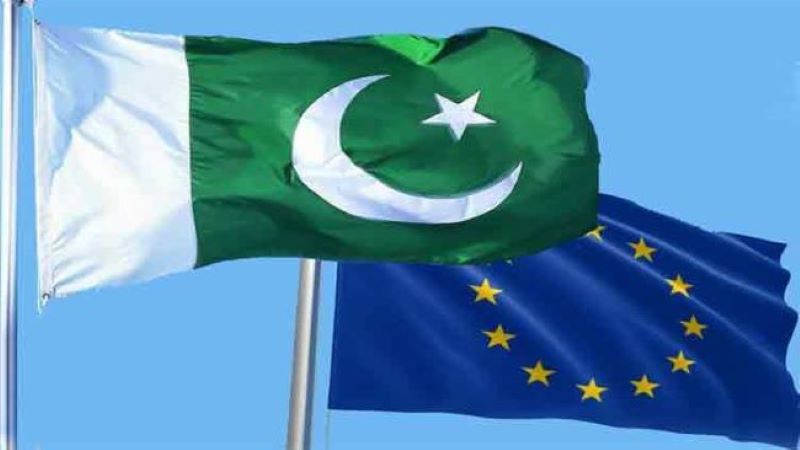
Pakistan has assured a visiting European Union monitoring mission of its unwavering commitment to the GSP+ trade regime, a preferential scheme critical to keeping the country’s export costs low. The assurance came as a seven-member EU delegation, led by GSP+ Directorate adviser Sirgio Baliberia, arrived in Karachi for the fifth biennial review of Pakistan’s compliance with 27 international conventions tied to human rights, labour rights, governance, and environmental protections, according to Dawn News.
Pakistan has been a major beneficiary of GSP+ since 2014, when the status helped drive a 108 percent surge in textile exports to Europe. The European Parliament renewed the designation last year through 2027, but Brussels has signaled that closer scrutiny will accompany the extension.
Human Rights and Law Minister Azam Nazeer Tarar welcomed the delegation in Islamabad, reaffirming what the ministry described as Pakistan’s “total and complete commitment” to the framework. In a detailed briefing, officials highlighted legislative progress since 2014, pointing to stronger safeguards for women, children, labourers, marginalized groups, and persons with disabilities.
The government underscored institutional advances as well, including the National Commission for Human Rights retaining its “A” status with the Global Alliance of National Human Rights Institutions, and the continued independent functioning of the National Commission on the Rights of Child and the National Commission on the Status of Women. Ongoing implementation of National Action Plans on Human Rights and Business and Human Rights was also outlined.
Officials emphasized reforms in gender equality, from the National Gender Policy Framework to gender-responsive budgeting and provincial initiatives. Flagship welfare programs including the Benazir Income Support Programme and the Prime Minister’s Women Empowerment Package were presented as key drivers of women’s socio-economic inclusion.
Progress on child protection, such as the Zainab Alert agency and child marriage restraint laws, was also highlighted, alongside steps to curb child labour and online exploitation. The delegation received updates on sensitive areas, including reductions in capital offences, implementation of the Mercy Petition Policy, enforcement of the Torture and Custodial Death Act, and improved case resolution on enforced disappearances.
EU officials identified areas requiring stronger action, while Pakistan welcomed the feedback and pledged continued reforms to safeguard its GSP+ status and deepen EU–Pakistan cooperation.