Judiciary’s Last Stand: Shah and Minallah Exit as Pakistan’s Constitution Shatters
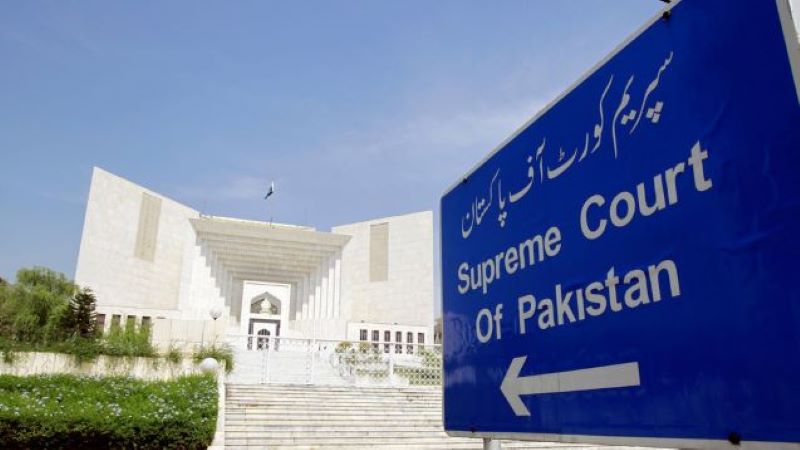
In a dramatic act of conscience, two of Pakistan’s senior‑most judges, Justices Mansoor Ali Shah and Athar Minallah, have resigned from the bench of the Supreme Court of Pakistan, declaring that the constitution they once swore to uphold has been reduced to a hollow shell, according to Dawn News. Their departure comes in the wake of the sweeping Twenty seventh Amendment to the Constitution of Pakistan; legislation that legal experts and civil society warn marks a cataclysmic shift away from the rule of law.
Justice Shah, in a 13‑page resignation letter, described the amendment as “a grave assault on the Constitution of Pakistan” that “dismantles the Supreme Court … subjugates the judiciary to executive control …” The judge lamented that he faced a choice between honouring his oath and presiding over an institution with its constitutional voice silenced. Justice Minallah echoed a similar sentiment, writing that the Constitution is “no more… a mere shadow one that breathes neither its spirit, nor speaks the words of the people to whom it belongs.”
At the heart of the amendment lies a radical revision of Article 243 of the Constitution of Pakistan, which consolidates the command of the armed forces under one figure: the army chief elevated by the amendment to the new position of Chief of Defence Forces (CDF). Under this framework, the CDF will command the army, navy and air force, while the post of Chairman, Joint Chiefs of Staff Committee is abolished. Even more dramatically, officers elevated to five star ranks including a newly constitutionally entrenched “Field Marshal”, are granted lifelong rank, privileges and immunity from criminal proceedings, an immunity previously reserved only for the president during his term.
Simultaneously, the judiciary has been re‑ordered. A new Federal Constitutional Court (FCC) has been created and vested with binding jurisdiction over all other courts, while the Supreme Court is relegated largely to appellate status, its once‑vital power of constitutional review substantially diminished. Judicial appointments, transfers and case assignments that once stood as bulwarks of independence now fall under executive and parliamentary control.
For Pakistan’s democratic institutions, the consequences are stark. The judiciary, long the sole check on executive and military power, has been reduced to a façade. The amendment does more than rewire governance; it rewrites the social contract: granting the military constitutional supremacy, the executive unbridled appointment power, and individuals within the system indefinite protection from accountability.
In resigning, Justices Shah and Minallah refused to lend their legitimacy to a court they deemed “diminished” and a system from which the citizens of Pakistan could no longer expect impartial justice. Their departure underscores that this constitution‑making is not simply administrative; it is foundational. The future of Pakistan’s institutions may now rest not in the halls of Islamabad, but in the will of a people unwilling to watch the rule of law be replaced by rule of power.