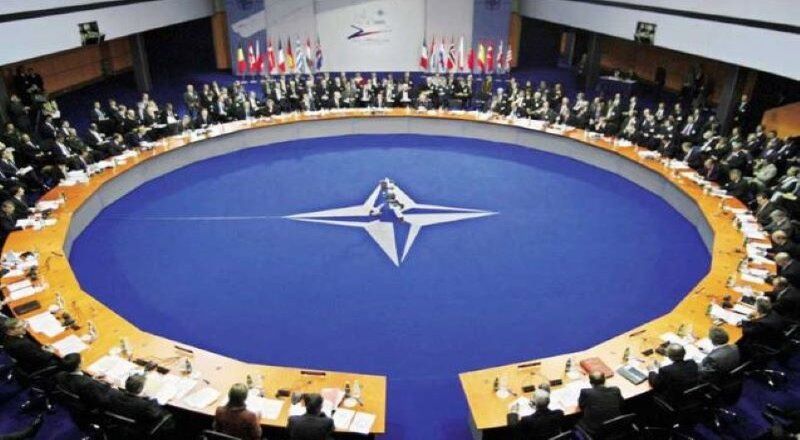
NATO allies have pushed back against Donald Trump’s plan to blockade the Strait of Hormuz, saying they will stay out of the operation for now and only consider helping after the fighting ends, according to Arab News.
The decision is likely to frustrate Trump and widen tensions inside the alliance. He had said the U.S. military would work with other countries to block all sea traffic in the waterway after weekend talks failed to produce a deal to end the six week war with Iran.
The U.S. military later said the blockade, set to begin at 2 p.m. GMT on Monday, would apply only to ships traveling to or from Iranian ports. But Trump had already declared on social media that “other countries” would join the blockade, framing it as part of a broader effort to pressure Iran.
Britain and France were among the allies that refused to take part. Instead, they said they were working on a separate plan to reopen the strait once the conflict is over. The waterway is one of the world’s most important trade routes, carrying about a fifth of global oil supplies under normal conditions.
British Prime Minister Keir Starmer said his government would not be drawn into the war, despite “considerable pressure.” He told the BBC that Britain was not supporting the blockade and would not let itself be pulled deeper into the conflict.
French President Emmanuel Macron said France would help organize a conference with Britain and other countries to build a multinational mission aimed at restoring safe navigation in the strait. He described it as a strictly defensive effort, one that would only begin when conditions allow.
Starmer said the goal was to protect shipping and keep trade moving after the war, not to join the fighting. He said the plan would be coordinated and independent, involving multiple countries working together to safeguard freedom of navigation.
A French diplomatic source said a meeting could take place as soon as Thursday in Paris or London, with around 30 countries invited, including Gulf states, India, Greece, Spain, Italy, the Netherlands and Sweden. Under the proposal, military ships would escort tankers and offer protection without taking a combat role. Iran and the United States would be informed, but would not directly take part.
Still, some European diplomats questioned whether Trump would welcome any such mission after ordering the blockade himself. Turkish Foreign Minister Hakan Fidan said the strait should be reopened through diplomacy, not force, and warned that creating an international force there would be difficult.