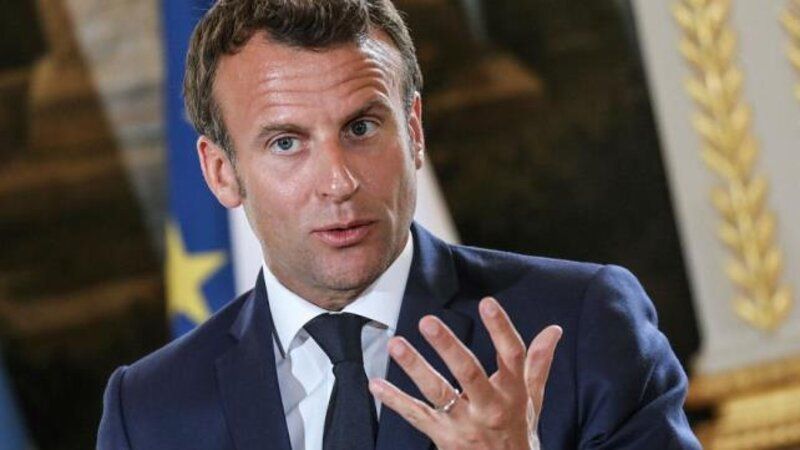
Tensions between the United States and Europe sharpened at the World Economic Forum in Davos after French President Emmanuel Macron strongly criticized new US tariff threats linked to President Donald Trump’s plan to take control of Greenland, according to BBC News.
Speaking before a gathering of world leaders, Macron described the “endless accumulation of new tariffs” by the United States as “fundamentally unacceptable.” He said the situation was even more serious when trade measures were used as political pressure against a country’s territorial sovereignty. His remarks came just days after Trump announced new tariffs on countries that oppose his proposal regarding Greenland.
Macron’s comments reflected growing unease among European leaders, who see the use of tariffs as a tool of coercion rather than cooperation. He warned that such actions risk damaging trust between allies and weakening the foundations of the international order.
Earlier, President Trump showed no sign of retreat. He declared there was “no going back” on his Greenland plan, arguing that the territory is “imperative for national and world security.” Trump has repeatedly framed the issue as a strategic necessity, linking it to defense, global influence, and future security concerns.
Adding to the controversy, Trump shared what he said were private messages on social media, including one attributed to Macron in which the French leader reportedly wrote, “I do not understand what you are doing on Greenland.” Trump also posted a message from NATO’s secretary general and shared generated images of himself placing an American flag on Greenland, moves that drew criticism and ridicule from some European officials.
The episode has underscored widening divisions between Washington and its traditional allies. As leaders continue discussions in Davos, many observers fear that the dispute over Greenland and tariffs signals a broader shift toward confrontation and power politics, replacing long-standing norms of diplomacy and multilateral cooperation.