In an aggressive bid to match the fast-shifting demands of the global corporate landscape, Lovely Professional University (LPU) has officially rolled out comprehensive upgrades across its academic framework. By focusing intensely on LPU specialised programmes, the institution aims to arm students with multidisciplinary competencies, technical fluency, and critical problem-solving skills necessary for the modern workplace.
- Lovely Professional University (LPU) has upgraded its academic architecture to focus heavily on emerging industry sectors.
- The institutional shift prioritises skill-based learning, practical exposure, and modern technological integration.
- Academic leads indicate that these curricular revisions are designed to shrink the employability gap in competitive job markets.
- Industry partners have collaborated closely with faculty members to co-create syllabi that reflect real-world operational challenges.
Ground Realities & Latest Developments
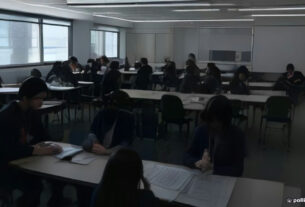
Classrooms and laboratories across the expansive campus are undergoing a quiet revolution. Traditional pedagogical models are stepping aside to accommodate experiential learning tracks, experiential simulation labs, and modular certifications. Academic administrators point out that the standard textbook approach is no longer sufficient in an economy driven by artificial intelligence, data analytics, green technology, and advanced engineering.
By restructuring the course pathways, the university allows learners to pivot toward niche domains early in their academic tenure. This deliberate specialisation ensures that graduates step out into the job market not just with general degrees, but with targeted expertise that immediate recruiters value.
Historical Context & Policy Background
Higher education institutions across India have faced mounting pressure from employers regarding graduate job readiness. Historical hiring metrics consistently indicated a disparity between theoretical knowledge acquired in university lecture halls and the practical execution required on corporate floors. In response to national educational policy shifts advocating for flexible learning paths, progressive universities have begun overhauling their offerings.
Over the past three academic cycles, curriculum committees at the institution evaluated feedback loops from alumni, corporate recruiters, and sector skill councils. The resulting overhaul represents a structural departure from rigid subject silos, encouraging interdisciplinary studies where engineering students, for instance, gain foundational exposure to business management and design thinking.
Voices from the Valley: Community & Expert Perspectives
Faculty members and student bodies have responded positively to the structural changes. According to senior academic advisors, the focus has shifted entirely toward outcome-based education.
“We are no longer just teaching subjects; we are building adaptive minds capable of thriving in industries that may not even exist today.” — Senior Academic Coordinator, LPU
Students note that the inclusion of practical project milestones within the semester structure reduces exam-season stress while building robust portfolios for future job applications.
Data Breakdown & Key Metrics
| Parameter | Prior Framework | Upgraded Specialised Framework |
|---|---|---|
| Industry Collaboration | Periodic Guest Lectures | Co-created Modules & Live Projects |
| Practical Weightage | 30% Lab Assessment | 60% Experiential & Practical Work |
| Specialisation Timeline | Final Year Electives | From Year Two Onward |
Strategic Ramifications & The Road Ahead
The institutional pivot toward targeted career preparation carries significant implications for regional academic standards. As more universities emulate these flexible models, the standard for professional training in the private university sector shifts upward. Long-term tracking of placement outcomes will ultimately determine how effectively these curricular adjustments translate into career longevity and leadership trajectories for graduates.
Frequently Asked Questions (FAQ)
What changes were made to the LPU specialised programmes?
The university restructured its curriculum to integrate practical projects, co-created industry modules, and early specialisation tracks starting from the second year of study.
How do these updates benefit students?
Students gain hands-on exposure, build professional portfolios during their degree, and develop niche skill sets demanded by modern employers.
Are corporate partners involved in the curriculum design?
Yes, industry experts collaborate directly with faculty members to ensure the syllabus reflects current technological and operational realities.
Reporting by our education desk. Ground verification completed via institutional briefs and academic policy updates.