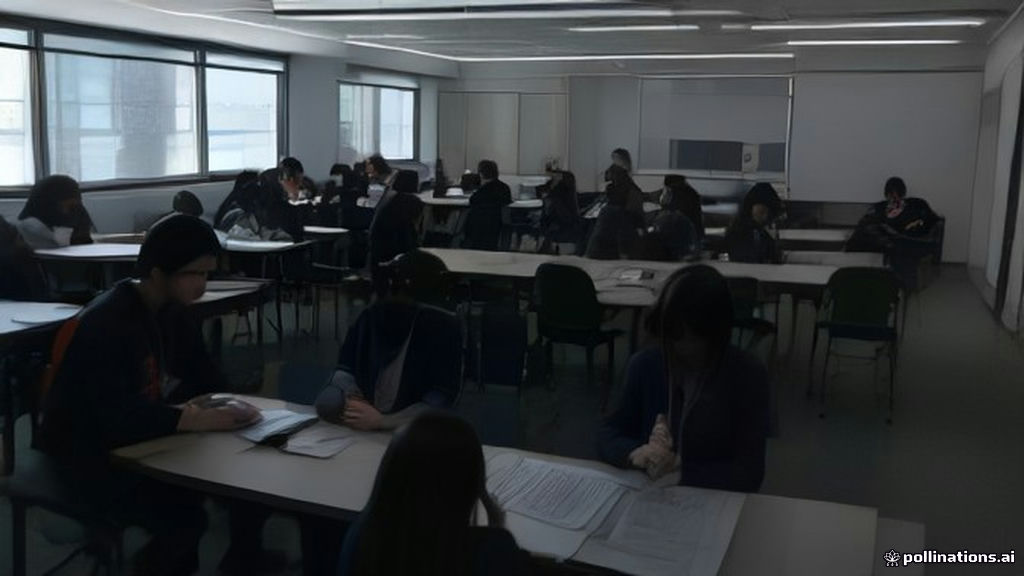
As global job markets undergo unprecedented technological disruption, educational institutions face immense pressure to adapt. In response to shifting employment landscapes, Lovely Professional University (LPU) has officially rolled out comprehensive enhancements to its LPU specialised programmes, aiming to bridge the critical gap between academic learning and corporate expectations.
This strategic academic overhaul focuses heavily on futuristic skill sets, practical exposure, and cross-disciplinary training. By directly engaging with industry experts, the institution seeks to equip graduates with the exact proficiencies required by top-tier employers in sectors ranging from artificial intelligence to core engineering and management.
- Lovely Professional University has restructured its curriculum to align with rapid shifts in modern global industries.
- The initiative focuses on practical skills, interdisciplinary learning, and emerging technological domains.
- Academic leaders emphasize bridging the gap between traditional classroom teaching and corporate demands.
- Students gain hands-on exposure through advanced labs, mentorships, and live corporate projects.
Ground Realities & Latest Developments
The academic transformation underway at the campus reflects a broader nationwide push toward outcome-based education. Faculty members and curriculum designers have integrated modular learning frameworks into traditional degree structures. This allows learners to acquire niche certifications alongside their primary degrees.
Recent campus developments include the establishment of specialized training pods equipped with enterprise-grade software and simulation tools. These installations ensure that students do not just study theoretical concepts, but actively interact with the tools utilized daily by multinational corporations and fast-growing startups.
Historical Context & Policy Background
For decades, higher education across India struggled with a rigid syllabus structure that often failed to keep pace with industrial innovation. The National Education Policy (NEP) framework catalysed a shift toward flexibility, multidisciplinary choices, and vocational integration. LPU’s latest curriculum revision directly mirrors these modern guidelines, setting a benchmark for private universities nationwide.
“Our core objective is to shift the educational paradigm from rote learning to dynamic capability building, ensuring every graduate is immediately employable.” — Academic Directorate Statement
Voices from the Valley: Community & Expert Perspectives
Education analysts and placement officers have responded positively to the restructuring. According to industry liaison officers, recruiters frequently cite a lack of applied practical skills among fresh graduates. By embedding mandatory internships and industry-vetted modules into the timetable, the university addresses this concern head-on.
Student feedback highlights enthusiasm regarding the newly introduced elective streams. Learners report feeling better prepared to navigate technical interviews and assessment centers.
Data Breakdown & Key Metrics
Key Curriculum Metrics at a Glance
- Overhaul Scope: 40+ specialised degree pathways upgraded
- Corporate Partners: 150+ new industry advisory tie-ups
- Practical Weightage: Increased by 35% across technical streams
Strategic Ramifications & The Road Ahead
The success of these specialised tracks will likely influence how other private and public universities design their undergraduate and postgraduate offerings. As automation and artificial intelligence redefine professional roles, proactive curriculum design becomes an absolute necessity for institutional survival and student success.
Frequently Asked Questions (FAQ)
What changes have been made to the LPU specialised programmes?
The university has updated its syllabi to include modular certifications, increased practical lab hours, and direct industry mentorships tailored to emerging job market demands.
Who benefits from these curriculum upgrades?
Current undergraduate and postgraduate students enrolled in technical, management, and professional degree tracks stand to gain direct career readiness benefits.
How does this initiative align with national education standards?
The enhancements closely align with modern multidisciplinary educational frameworks emphasizing skill-based learning and flexible academic pathways.
Reporting by our Higher Education Desk • Ground verification completed via institutional dispatches and academic briefings.