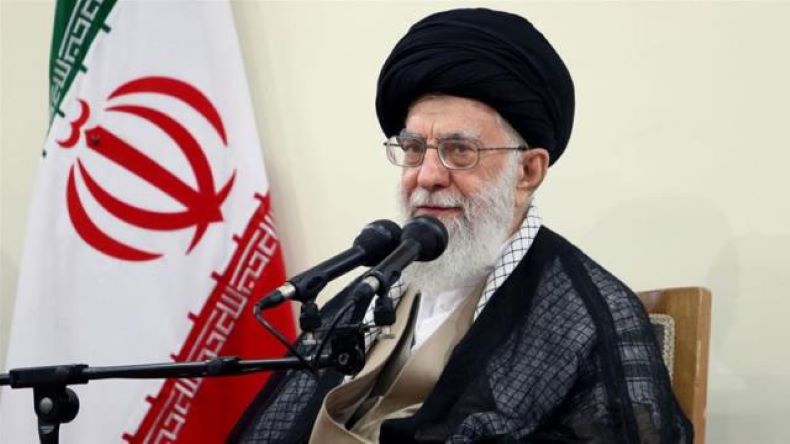
Iran is facing one of the most dramatic and violent moments in its modern history after state media announced that Supreme Leader Ayatollah Ali Khamenei was killed in an air strike on his office early Saturday morning. The strikes were carried out jointly by the United States and Israel, according to Iranian officials and international reports.
In Washington, former U.S. President Donald Trump reacted strongly to the news, calling Khamenei “one of the most evil people in history” and urging Iranians to “take back their country.” His remarks came as details of the operation and its consequences continued to emerge.
Sources speaking to CBS, a partner of BBC, said roughly 40 senior Iranian officials were killed in the coordinated raids. Israel later confirmed that several high-ranking leaders were among the dead, including the head of the Islamic Revolutionary Guard Corps. The powerful military organization vowed to launch what it called “the most devastating offensive operation” against U.S. bases and Israeli targets.
The violence quickly spread beyond Iran’s borders. Iranian retaliatory missile and drone strikes were reported in Dubai, Doha, Bahrain, and Kuwait—all locations that host American military facilities or maintain close ties with Washington. Regional governments raised alerts, while airspace closures and evacuations were reported across the Gulf.
Inside Iran, the humanitarian toll has been severe. The Iranian Red Crescent said more than 200 people have died nationwide. Iranian authorities stated that at least 108 victims were killed when air strikes struck a girls’ school, a claim that has intensified international concern and calls for investigation.
As Iran mourns and prepares its response, the region stands on edge. The death of the country’s highest leader has left a sudden vacuum of power and a deep sense of uncertainty. Across the Middle East and beyond, governments are watching closely, aware that the consequences of this moment may shape the future of the region for years to come.