Gilgit-Baltistan Traders Stage 50-Day Protest Against Pakistan’s Unconstitutional Taxes
GILGIT — Traders in Gilgit-Baltistan have now entered their 50th day of protests at the Sost Dry Port, demanding an end to illegal and unconstitutional taxes, custom duties, and tariffs imposed by the Pakistani government. The region, part of the larger disputed territory of Kashmir, remains under international consideration for a lasting solution at the United Nations and is not legally a part of Pakistan under Section 257 of its constitution.
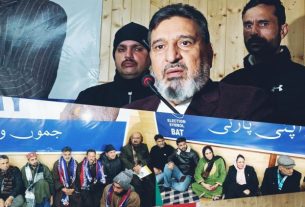
The Gilgit-Baltistan Supreme Council held an emergency meeting this week in Gilgit, expressing full support for the traders’ demands and voicing strong objections to the federal government’s attempts to form a seventh committee, which the council called “a delaying tactic.” Officials noted that despite clear cabinet recommendations to grant amnesty on taxes and clear the port’s stuck containers, these measures have yet to be implemented or communicated to the federal authorities.
Until the government recognizes all the demands put forth by the Supreme Council, traders have announced that no business activities will resume at Sost Port, and immigration exits will remain completely closed. The council also condemned repeated attempts by authorities to crack down on peaceful protesters, describing such actions as a threat to the region’s traditionally calm and peaceful environment.
Stakeholders across Gilgit-Baltistan, including religious leaders, regional associations, youth groups, and civil organizations, have rallied behind the protests. The Supreme Council and the Pak-China Traders Union Action Committee have issued a three-day ultimatum: if demands are not met by Wednesday night, September 10, 2025, all highways in Gilgit-Baltistan will be blocked and a full shutter-down strike will begin on Friday, September 12.
Protest leaders emphasized that the Sost sit-in is not only about one location but represents the voice of the entire region, asserting the constitutional, political, and economic rights of the people. Calls were also made for immediate compensation for flood- and road-affected residents, fulfillment of promises to teachers and police, and the appointment of judges in the Supreme and Chief Courts based on merit and equality.