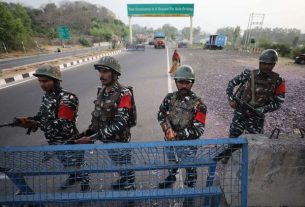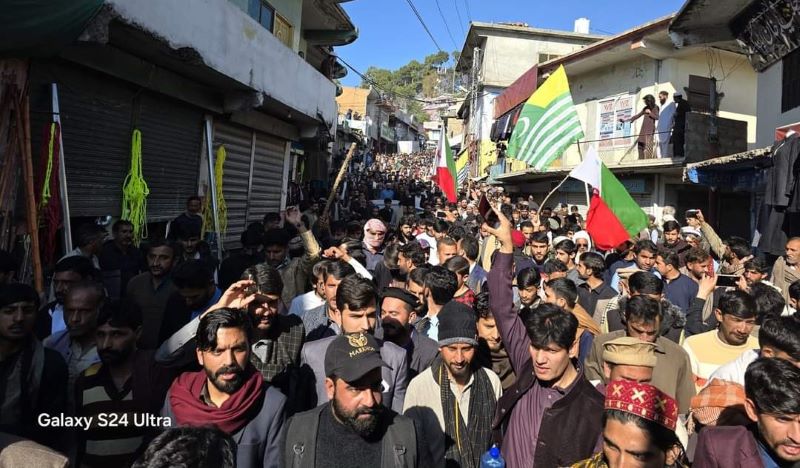
MUZAFFARABAD — Reports of Tehrik-i-Taliban Pakistan (TTP) operatives infiltrating Azad Jammu and Kashmir (AJK) have set off alarms across Pakistan’s security establishment, marking a dangerous new chapter in the country’s long battle against terrorism, reported by The Friday Times Pakistan.
Historically insulated from the militant violence that has gripped other regions, AJK now finds itself confronting a specter it had largely avoided. A deadly police operation in Rawalakot last week brought the issue to national attention, after a firefight with suspected TTP militants left two officers and multiple alleged insurgents dead. Authorities claim the militants were planning an attack and were operating under instructions from handlers in Afghanistan.
One of the alleged militants, described as a university graduate with deep community ties, was said to be a local TTP commander. His father has demanded a transparent investigation, casting a spotlight on the human toll and public unease surrounding the incident. AJK’s Interior Minister, Colonel (Retd) Waqar Ahmed Noor, confirmed that nine TTP operatives had been apprehended in recent operations.
This infiltration raises serious concerns, as it suggests the TTP is seeking to establish a foothold in a region that has, until now, been politically restless but not known for hosting militant networks. With rising unrest in 2024 — including a resurgence of attacks in Khyber Pakhtunkhwa and Balochistan — the spread of terrorism into AJK signals a dangerous escalation.
Pakistan, which has made significant gains through the National Action Plan and military operations over the past two decades, is now faced with the risk of a new front opening within its borders. Officials warn that hostile foreign actors may be fueling such insurgencies in retaliation for Pakistan’s growing international role in counter-terrorism, including its recent appointment as vice-chair of the UN Security Council’s Counter-Terrorism Committee.
To prevent AJK from becoming another battleground, experts stress the need for robust intelligence, community engagement, and a coordinated national response — one grounded in law, dialogue, and strategic clarity.