Kashmir’s Gilgit-Baltistan Gets Green Light for Counter-Terrorism Police Amid Funding Strain
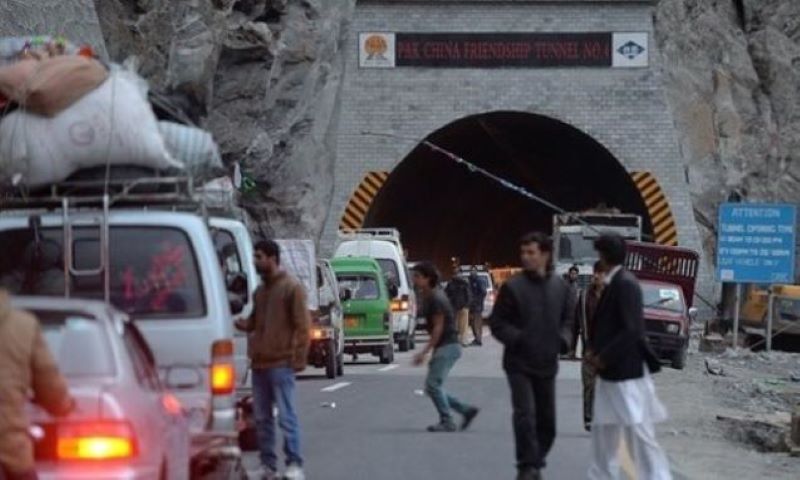
GILGIT — The federal government has approved the creation of a Counter-Terrorism Department (CTD) in Gilgit-Baltistan, authorizing 613 new police posts to tackle militancy and secure the strategic Karakoram Highway, according to Dawn News. The move comes at a politically sensitive moment, following widespread protests in the region against what locals call “illegal taxation” by Islamabad.
The initiative, costing over 1.5 billion rupees, stems from a directive by the prime minister during his November 6 visit last year, where he ordered the CTD to be established within six months. Officials say the department will fill “critical human and technical resource gaps,” allowing the GB police to respond more effectively to terrorism and conduct in-depth investigations.
At a Central Development Working Party (CDWP) meeting on July 25, the project received clearance. Civil works include the construction of a CTD headquarters in Gilgit and a regional office in Chilas at a cost of Rs720.5 million. However, officials clarified that funds will only be allocated in the Public Sector Development Programme (PSDP) for 2026–27.
The Ministry of Kashmir Affairs will sponsor the project, while the Ministry of Planning cited “reduced fiscal space” and existing heavy commitments in GB as reasons for the delay. The GB government was advised to fund the initiative from its own strained budget or seek recurring support from the Finance Division.
The GB Home Department, already reeling from flood-related financial pressures, told the meeting that its regional budget had no capacity to absorb additional projects. Meanwhile, the Finance Division is considering a Rs40 billion cut from the development program, further squeezing available resources.
Although the Finance Division concurred with the creation of 613 posts, its approval letter carried strict conditions: the GB government must shoulder all financial implications, with no extra federal support.
For many in Gilgit-Baltistan, the timing of the announcement has stirred frustration. Protesters argue that while the federal government imposes taxes without constitutional representation, it expects the impoverished region to bear the costs of national security measures.