Fire Over Tehran: The Night Diplomacy Died and Missiles Flew
For weeks, diplomats had been talking. Then, without warning, the bombs fell.
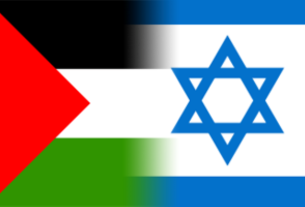
In a coordinated military strike that sent shockwaves across the Middle East, the United States and Israel launched a joint operation against Iran, codenamed Operation Epic Fury, targeting key military sites in and around Tehran, according to NDTV. Within hours, the region that had been inching toward negotiation was suddenly engulfed in fire, sirens, and the dreadful hum of incoming missiles.
Iran hit back hard.
Iranian Foreign Minister Abbas Araghchi was swift and sharp in his condemnation. “Netanyahu and Trump’s war on Iran is wholly unprovoked, illegal, and illegitimate,” he wrote, adding a stinging rebuke of Washington: “Trump has turned ‘America First’ into ‘Israel First’, which always means ‘America Last’.” It was a line designed to wound and it landed.
Tehran’s foreign ministry went further, calling the strikes “criminal military aggression” committed at the worst possible moment while nuclear talks between Iran and the United States were still quietly ongoing. “The Iranian people are proud that they did everything necessary to prevent war,” the ministry said. “Now is the time to defend the homeland.”
And defend they did. Iran launched a barrage of missiles toward Israel. Emergency sirens screamed across Bahrain, home to the U.S. Navy’s Fifth Fleet. Explosions rattled Abu Dhabi, Dubai, Doha, and Riyadh, cities dotted with American military personnel. Qatar reported intercepting incoming fire successfully, with no casualties recorded. The night, however, was far from over.
Israel claimed a significant kill: Mohammad Pakpour, the commander of Iran’s elite Islamic Revolutionary Guard Corps, reportedly died in the strikes. Israeli Prime Minister Benjamin Netanyahu framed the operation as necessary, a strike to “remove an existential threat” and perhaps, he suggested, give ordinary Iranians a chance to “take their destiny into their own hands.”
President Trump was blunter. He announced “major combat operations” and said the objective was simple: protect Americans by eliminating threats from Iran.
But Iran’s foreign ministry issued a pointed challenge to the world, calling on the United Nations to “firmly condemn this act of aggression” before the region slides into something no diplomat can undo.
The talks are over. The missiles are flying. And somewhere between those two facts, the future of the Middle East hangs uncertain, trembling, and very much on fire.