The Islamic Republic of Iran stands at a precipice. What began as scattered demonstrations against economic hardship has metastasized into the nation’s most formidable challenge in years, claiming the lives of more than one hundred security personnel and dozens of civilians in a violent confrontation that has laid bare the depth of popular discontent.
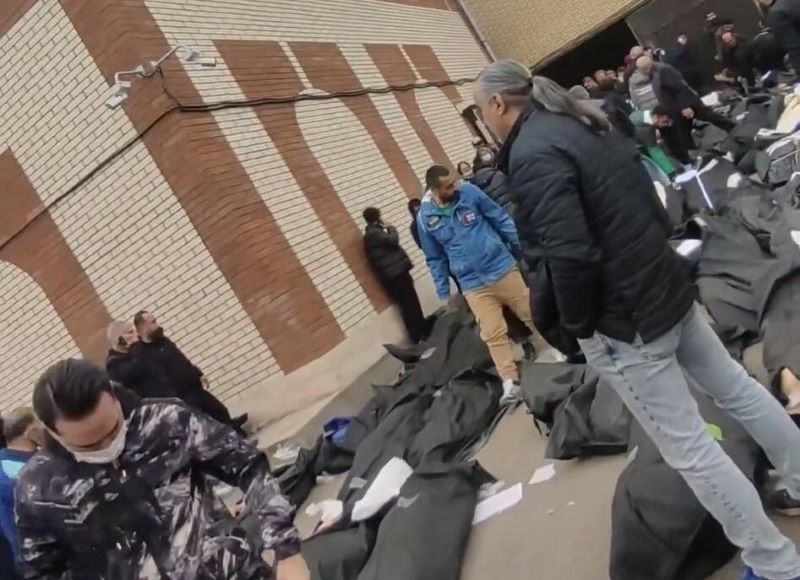
State television reported Sunday that thirty members of security forces perished in Isfahan province alone, with six more killed in Kermanshah. The semi official Tasnim news agency placed the nationwide toll at 109 officers dead. Among the civilian casualties, the Iranian Red Crescent Society confirmed one staff member killed during an attack on a relief facility in Gorgan, while protesters set a mosque ablaze in Mashhad.
The unrest, sparked by soaring inflation and a cost of living crisis exacerbated by Western sanctions, has prompted increasingly dire warnings from Tehran’s leadership. The attorney general has threatened death sentences for those involved in what authorities term “riots,” while top security official Ali Larijani drew comparisons between protesters and ISIS militants.
Yet the crisis has transcended Iran’s borders. President Donald Trump issued stark warnings Saturday, threatening military strikes “where it hurts” should Iranian authorities kill demonstrators. Parliament Speaker Mohammad Baqer Qalibaf, a former Revolutionary Guard commander, responded with unmistakable clarity: any American attack would trigger retaliation against Israeli territory and U.S. military installations throughout the region.
The specter of last year’s twelve-day conflict with Israel and the United States looms large, a war that saw Iranian nuclear facilities bombed and hundreds of civilians killed, followed by retaliatory missile strikes that left twenty-eight Israelis dead.
Hassan Ahmadian of Tehran University described Thursday as “one of the scariest days in Iran,” though he suggested the violence may be waning. President Masoud Pezeshkian blamed American and Israeli interference for the unrest, urging citizens to reject what he called “rioters and terrorists.”
Human rights organizations tell a darker story. Norway-based Iran Human Rights reports at least fifty-one protesters killed, including nine children, with opposition activists claiming far higher tolls. A nationwide internet blackout, now exceeding sixty hours, has made independent verification nearly impossible.
As Iran’s army pledges to defend “national interests” against perceived foreign threats, the nation teeters between economic desperation and authoritarian resolve, with the world watching to see which force prevails.