Anti government protests have erupted across Iran for a thirteenth consecutive day, defying an expanding security crackdown as Supreme Leader Ayatollah Ali Khamenei accused demonstrators of acting as agents of foreign interests and seeking to “please” U.S. President Donald Trump, according to BBC News.
The unrest, which began in Tehran on December 28, has spread to dozens of cities and towns, fueled initially by the sharp collapse of Iran’s currency and worsening economic hardship. Despite mass arrests, an intensified security presence and widespread internet disruptions, crowds have continued to gather nightly, chanting slogans against the political leadership and the country’s ruling clerical establishment.
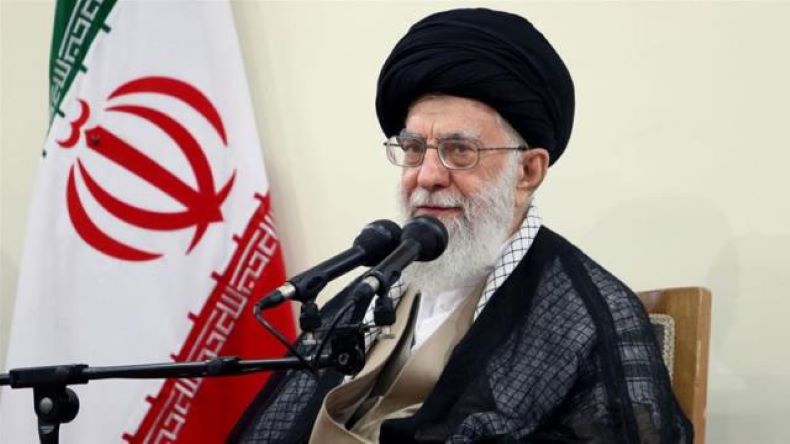
In a rare and sharply worded address, Khamenei dismissed the protesters as “a bunch of vandals,” claiming the demonstrations were driven not by public grievances but by hostility toward the Islamic Republic. He accused participants of aligning themselves with Washington, a reference to President Trump’s recent warning that Iran would be “hit very hard” if government forces used lethal violence against demonstrators.
Iranian authorities have not released official figures on arrests or casualties, but human rights groups say hundreds have been detained. Access to information remains severely restricted. Residents across the country report an ongoing nationwide internet blackout, now stretching into its second week. “The messages on WhatsApp still just have one check mark. They haven’t delivered yet,” one woman told the BBC, describing the near-total communications freeze.
The protests have also drawn reactions from abroad. Reza Pahlavi, the exiled son of Iran’s last shah, called on President Trump to be “prepared to intervene” in support of what he described as a popular uprising against authoritarian rule. His remarks have drawn sharp criticism from Iranian officials, who routinely accuse opposition figures abroad of encouraging foreign interference.
BBC Verify and other independent researchers have been tracking the geographic spread of the demonstrations, which now extend well beyond the capital into provincial cities, underscoring the depth of public anger over inflation, unemployment and declining living standards.
As the standoff continues, analysts warn that the combination of economic distress, political repression and an information blackout risks further destabilizing the country, even as Iran’s leadership signals it has no intention of backing down.