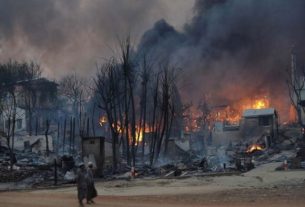
India’s Supreme Court has stepped in to protect student protesters following weeks of unrest over a major exam leak, ordering the release of minors and directing authorities to avoid any coercive action against demonstrators.
The court’s intervention came on Tuesday, as reports of police violence and mass detentions raised concern across the country. Chief Justice Surya Kant ordered that all individuals under 18 who were arrested during the protests be released, according to Reuters news agency. He also instructed authorities to preserve all surveillance material, including CCTV, drone, and body camera footage, to ensure accountability.
The court further directed officials to safeguard the personal and digital data of protesters, warning against its public disclosure. The move followed petitions from students and activists who accused police and paramilitary forces of using excessive force, including pellet guns, during demonstrations in New Delhi and other cities.
“Any wrongdoing must be investigated in a fair and independent manner,” the Chief Justice was quoted as saying. He stressed that justice requires clear accountability, signaling the possibility of further legal scrutiny.
The government, however, defended the police response as necessary for crowd control. Solicitor General Tushar Mehta told the court that while allegations of violence were serious, around 250 police officers had also been injured. He added that the government would not oppose an investigation.
The protests were triggered by the leak of question papers for a national medical entrance exam, sparking anger among students nationwide. Demonstrations intensified over several weeks, with clashes reported in multiple cities. In the capital, protesters marching toward parliament were met with tear gas and baton charges.
Tensions eased after the government accepted key demands, including exam reforms, the withdrawal of police cases, and compensation for families of students who died by suicide following the scandal. The education minister has since resigned.
Even as protests subside, questions remain over the use of force and surveillance, with the court’s orders marking a critical moment in the unfolding crisis.