Europe’s political heart may beat a little faster this month as Hungary heads into a decisive general election that analysts say could shape the future of the European Union and democracy itself, according to Hurriyet Daily News.
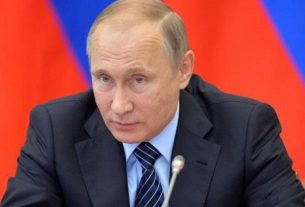
Prime Minister Viktor Orban, who has led Hungary for much of the past sixteen years, is seeking a fifth consecutive term. His political style nationalist, defiant, and often friendly toward Moscow and Beijing has long put him at odds with EU leaders. Critics accuse him of drifting closer to authoritarianism while weakening the country’s democratic institutions.
The latest controversy erupted after leaked phone calls appeared to reveal close ties between Foreign Minister Peter Szijjarto and Russia’s top diplomat, Sergei Lavrov. The revelations sparked outrage across Europe, with Polish and Irish leaders calling Hungary’s dealings with Moscow “repulsive” and “sinister.” EU foreign policy chief Kaja Kallas was sharper still, declaring that “European ministers should work for Europe, not for Russia.”
Orban has repeatedly used Hungary’s veto power to block EU sanctions on Russia and slow aid to Ukraine. He’s also clashed with Brussels over issues ranging from migration to media freedom, often casting himself as a defender of national sovereignty against foreign interference.
Yet this election feels different. Independent polls show conservative challenger Peter Magyar and his new party, TISZA, leading the race. If Magyar wins, analysts expect Hungary to rebuild bridges with Brussels and finally access billions of euros in frozen EU funds.
But experts warn that change would come with limits. “Hungary would still resist some EU positions,” noted analyst Zoltan Kiszelly, “though the tone would be far less confrontational.” Others believe Orban, if he wins again, would only tighten his grip, emboldened by allies such as Donald Trump in the U.S. and Italy’s hard-right leader Giorgia Meloni.
Beyond Hungary’s borders, the stakes are high. Orban’s defeat would shake Europe’s far-right movement and deprive Trump of his strongest EU ally. It might even signal a broader public weariness with nationalist politics.
For now, one thing seems certain: when Hungarians cast their votes on April 12, the world will be watching and the ripple effects may reach far beyond Budapest.