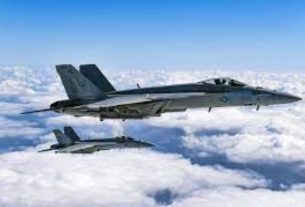
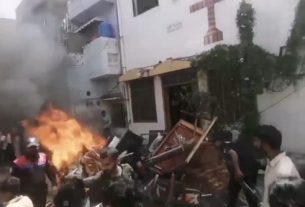
Tensions flared across the Middle East this weekend as U.S. President Donald Trump issued a stern warning to Iran, demanding that Tehran reopen the vital Strait of Hormuz, one of the world’s busiest oil routes, or face devastating strikes on its energy grid, according to NDTV.
In a fiery post on Truth Social early Sunday morning, Trump gave Iran 48 hours to “fully and safely reopen” the Strait for global shipping traffic. If not, he vowed that the United States would “obliterate Iran’s power plants, starting with the biggest one first.” The ultimatum, time-stamped at 5:14 a.m. IST, set a Tuesday deadline that has sent diplomats and markets into turmoil.
Tehran wasted no time responding. Iran’s elite Khatam al-Anbiya military command warned that any attack on its infrastructure would trigger retaliatory strikes against American energy, technology, and desalination facilities across the region. “If our fuel and energy network is targeted,” the statement read, “we will strike back at all U.S. and allied assets.”
The Strait of Hormuz, through which nearly one fifth of the world’s oil and natural gas flows, has remained largely closed since late February, after a wave of U.S.–Israeli airstrikes hit Iranian territory. Tehran restricted passage mainly to nations not involved in the attacks, causing energy prices to surge and forcing countries to scramble for alternative routes. Analysts say even under ideal conditions, restoring safe passage could take months due to floating mines and military tension.
Meanwhile, explosions rocked Iran’s Natanz nuclear facility Saturday in what officials called a second airstrike this month. Iran’s state agency, Mizan, said no radioactive leaks occurred, though satellite images showed damage. Hours later, Iran fired missiles toward Israeli cities Dimona and Arad, injuring more than a hundred people and striking near Israel’s own nuclear plant.
World leaders have condemned Iran’s closure of Hormuz and urged restraint. Yet with threats mounting on both sides and oil prices climbing, fears of a deeper regional conflict grow stronger by the hour.