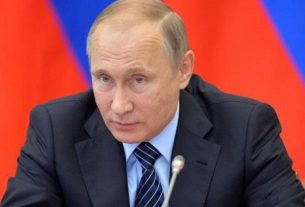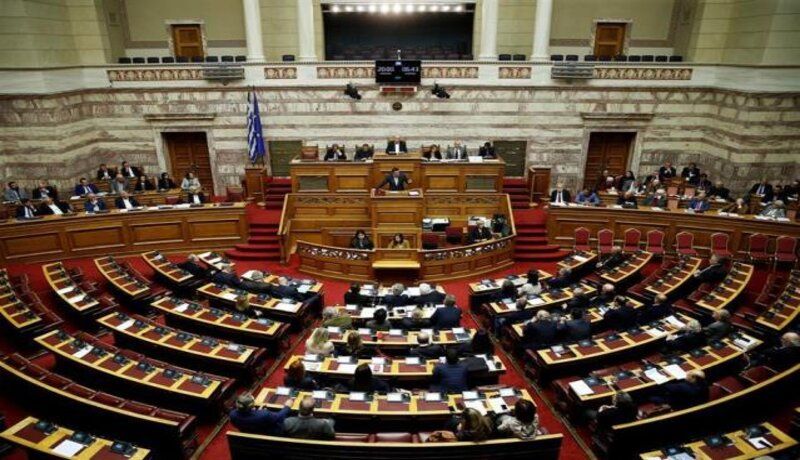
Greece’s parliament ethics committee has unanimously recommended lifting the immunity of 11 lawmakers from the ruling New Democracy party, in connection with a widening investigation into farm subsidy fraud led by the European Public Prosecutor’s Office (EPPO), according to Euro News.
The committee’s decision, announced this week, clears the way for a full parliamentary vote expected after April 19. All 11 MPs had already requested that their immunity be removed, a gesture that politicians said was meant to uphold accountability.
Nine lawmakers submitted written statements defending their positions, while former Rural Development Minister Kostas Tsiaras and MP Notis Mitarakis appeared before the committee in person. Tsiaras told reporters that he sought the lifting of his immunity “out of personal dignity,” adding that it was essential “to clear up this case as soon as possible.” He described his own involvement as linked to “a legitimate request from a vulnerable citizen” affected by the Mediterranean cyclone Janus in Karditsa.
Mitarakis also supported the prosecutor’s request, insisting that he and his office “acted entirely within the bounds of the Constitution” by forwarding written appeals from citizens who believed they had been wronged by government decisions.
The EPPO first called for lifting the MPs’ immunity on April 1, as part of its probe into an alleged organized fraud scheme involving European Union agricultural funds. Investigators are examining possible felonies and misdemeanors against EU financial interests—among them instigation of breach of trust, computer fraud, and false attestation.
The inquiry reportedly involves claims for land not owned, exaggerated livestock counts, and bizarre subsidy applications such as pastures listed on archaeological sites, olive groves inside a military airport, and banana plantations supposedly on Mount Olympus.
The scandal has already shaken Prime Minister Kyriakos Mitsotakis’ government. It triggered the resignation of a cabinet minister and led to the closure of OPEKEPE, Greece’s main agency handling EU farm payments.
The alleged fraud exploited long-standing weaknesses in the country’s land registry system after EU subsidies began to be calculated by land area, rather than livestock numbers, in 2014.