Aid Blockade Raises Accusations of Starvation as a Weapon of War
The humanitarian situation in Gaza has reached alarming levels, with growing international concern that starvation is being deliberately used as a tool of war, reported by BBC News. Philippe Lazzarini, Commissioner-General of UNRWA, the United Nations agency responsible for Palestinian refugees, stated in a recent BBC interview that food and humanitarian aid are being intentionally withheld from Gaza’s population, describing the crisis as a potential war crime.
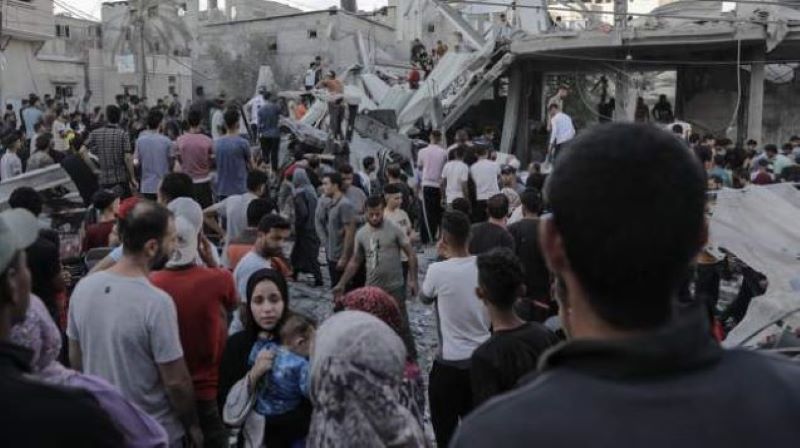
Since March, Israel has enforced a near-total blockade on Gaza, preventing essential supplies, including food and medicine, from entering the region. This comes amid a renewed military campaign that followed the collapse of a brief ceasefire. Aid agencies operating in Gaza, including the International Committee of the Red Cross, report that civilians are facing a daily struggle for survival, with limited access to shelter, clean water, or nutrition.
The Integrated Food Security Phase Classification (IPC), a global authority on food emergencies, states that the entire population of Gaza is experiencing acute food insecurity. Nearly half a million individuals—approximately 22% of Gaza’s population—are classified under “Phase 5: Catastrophe,” the most severe level of hunger. This phase indicates that people are at immediate risk of starvation, malnutrition, and death.
Thousands of tons of aid currently remain stalled just across the border in Egypt. The United Nations and other international organizations have rejected Israeli claims that Hamas is intercepting food deliveries. They have also refused to participate in a proposed distribution system involving private security firms under Israeli military protection, citing concerns over impartiality and access.
Mr. Lazzarini emphasized that starvation is being weaponized to achieve political and military objectives, stating: “We are witnessing the use of humanitarian aid as a tool of war.” He further warned that, if left unaddressed, famine could claim more lives than active combat.
Meanwhile, internal criticism is growing within Israel. Families of hostages and dissident military personnel have expressed outrage, arguing that political considerations are being prioritized over the lives of both Israeli hostages and Palestinian civilians.
Legal and moral debates surrounding the crisis are intensifying. The International Criminal Court (ICC) has issued arrest warrants for Israeli and Hamas leaders for alleged war crimes. While Israel rejects accusations of genocide, UNRWA’s Lazzarini says the destruction and displacement in Gaza could potentially meet that legal threshold.
As the war continues, international leaders are urged to act decisively. “History will judge us,” Lazzarini warned. “We are watching a humanitarian catastrophe unfold in real time, and future generations may ask why so little was done.”