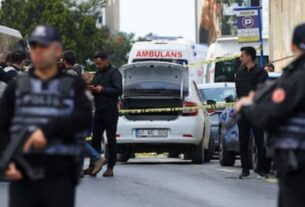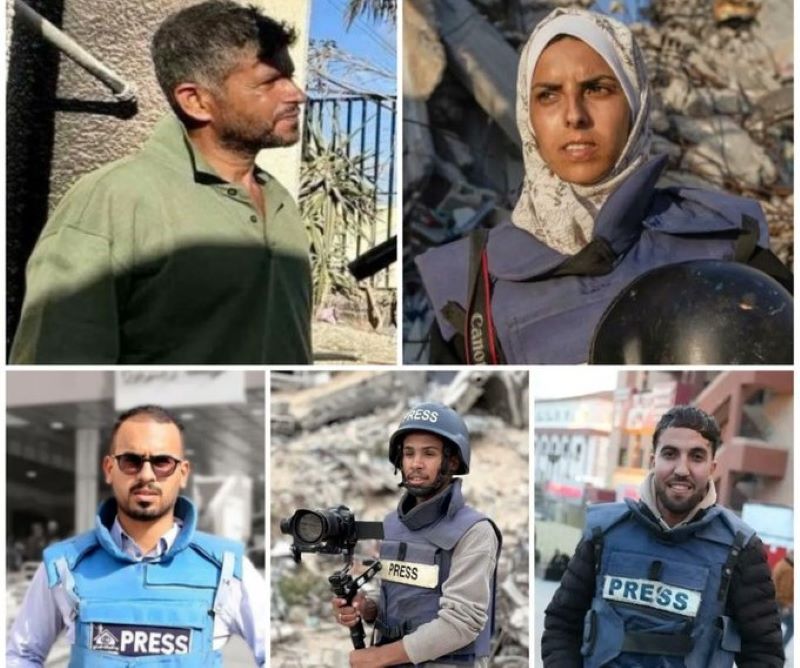
The aftermath of Monday’s airstrikes on a Gaza hospital reverberated far beyond the besieged enclave, igniting international condemnation and renewed scrutiny of Israel’s military conduct. At least 20 people were reported killed, among them five journalists, after what witnesses described as a “double strike” tore through the medical compound — a place meant to heal, not bleed, reported by BBC News.
Israel’s military acknowledged responsibility, calling the attack a “tragic mishap.” An initial inquiry released by the Israel Defense Forces (IDF) admitted “several gaps” in the chain of command, vowing further review of the ammunition used and the authorisation process behind the strikes. The IDF claimed troops had identified a Hamas camera in the vicinity, but offered no evidence that could justify the scale of destruction or loss of civilian life.
The response abroad was swift. UK Prime Minister Keir Starmer’s office denounced the incident as “completely indefensible,” sharpening a chorus of global voices demanding accountability. Critics argue the assault reflects not a singular error but a reckless pattern, with hospitals, schools, and press clearly marked yet repeatedly struck.
In Israel, grief has not softened into silence. Families of hostages held by Hamas staged nationwide protests, pressing the government for answers even as officials defend military operations. Meanwhile, international media remain barred from entering Gaza, forced to rely on fragmented accounts from local journalists working under bombardment — and now mourning their own fallen colleagues.
What was described by Israel’s leadership as an accident is increasingly seen elsewhere as a calculated indifference to civilian sanctuaries. The hospital strike has become a flashpoint in a war already defined by shattered norms, raising the question: how many more “mishaps” can the world bear before impunity itself becomes the crime?