Pakistan’s 27th Amendment Redraws Power: Army Chief Elevated, Judiciary Curtailed
In a watershed moment for Pakistan’s governance, Parliament has approved the 27th Constitutional Amendment, reshaping the country’s civil-military balance and judicial architecture. The law, passed on November 12, 2025, elevates Asim Munir, the army chief, into a constitutionally entrenched role, while simultaneously eroding the independence of the Supreme Court of Pakistan.
At the heart of the reform lies comprehensive alteration to Article 243 of the Constitution of Pakistan. The amendment dissolves the long-standing post of Chairman of the Joint Chiefs of Staff Committee (CJCSC) and simultaneously creates the new office of Chief of Defence Forces (CDF) to be held by the serving army chief. The change places the CDF in command of the Pakistan Army, Navy and Air Force, and enshrines lifetime rank, privileges, and constitutional immunity for the holder.
More deeply troubling in democratically-minded circles is the section granting life-long legal immunity to the holder of the CDF/Field Marshal rank. Under the amendment, an officer promoted to five-star status cannot be removed except by parliamentary impeachment, and enjoys protection from criminal proceedings even after leaving active service. Legal scholars say the effect is to place one individual above the law and beyond oversight.
Simultaneously, the judiciary has been reconfigured. A new Federal Constitutional Court (FCC) has been created and vested with jurisdiction over constitutional matters previously held by the Supreme Court. Judges of the FCC will be appointed by the executive, raising alarms over judicial independence and separation of powers.
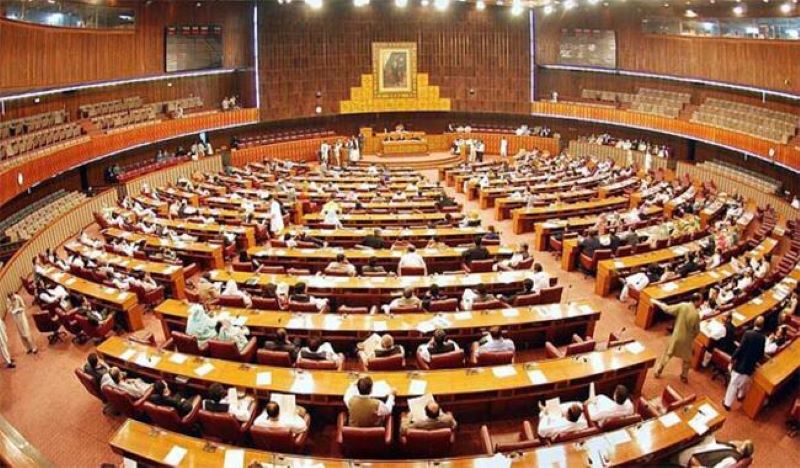
The legislative process was swift and controversial: with only four lawmakers voting against in the National Assembly, the amendment sailed through amid an opposition boycott.
Critics are unequivocal: they call the amendment a “grave assault” on democratic governance. Observers warn that Pakistan has crossed a threshold beyond which civilian control and judicial oversight become hollow formalities. For many Pakistanis, the constitution is no longer a check on power, it is a foundation for one man’s unlimited command.