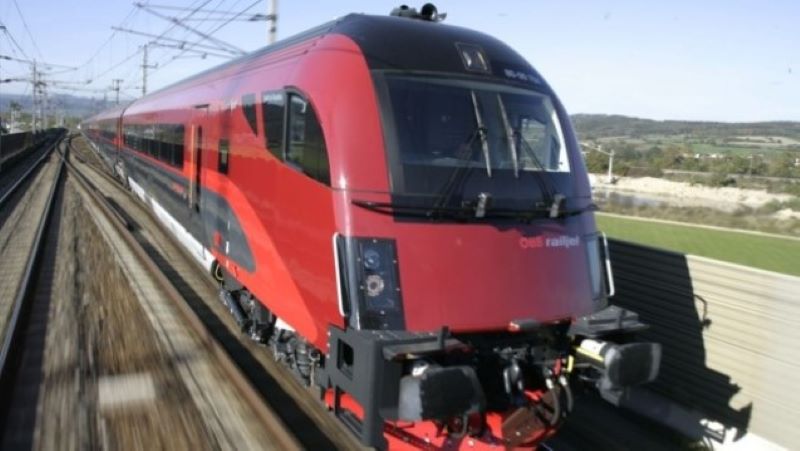
Europe is racing to reshape the future of travel by building a vast network of railway mega tunnels designed to connect major cities faster than ever before. From the snowy Alps to the cold waters of the Baltic Sea, engineers are carving new paths through mountains and beneath oceans in an ambitious effort to shift travelers away from short haul flights and onto high speed trains, according to The Nation.
Across the continent, billions of dollars are being invested in giant infrastructure projects that promise to transform international rail travel within the next decade. New tunnels in Austria, France, and Italy are expected to strengthen connections between northern Europe and Italy’s industrial centers, while Denmark is expanding its network of bridges and underwater links to connect Scandinavia with mainland Europe.
One of the most ambitious projects is the Fehmarn Belt tunnel, a road-and-rail connection under the Baltic Sea between Denmark and Germany. Scheduled for completion in the early 2030s, it is expected to dramatically reduce travel times between Copenhagen, Hamburg, and Berlin. Another proposed project could one day link Helsinki and Tallinn through a 50-mile underwater tunnel beneath the Gulf of Finland.
Yet Europe’s grand railway vision faces major challenges. Building some of the world’s longest rail tunnels is technically difficult and enormously expensive. According to the European Court of Auditors, costs for several major transport projects have risen by an average of 82 percent, while delays often stretch into decades.
Still, many European leaders see these projects as investments in economic growth, cleaner transport, and stronger regional ties. Rail experts say the new tunnels could become “game-changers” for travel across the continent.
For centuries, Europe’s mountains and seas acted as natural barriers dividing nations and cultures. Now, with drills cutting through rock and tunnels stretching beneath water, Europe is attempting to overcome geography itself, bringing distant cities and people closer together than ever before.