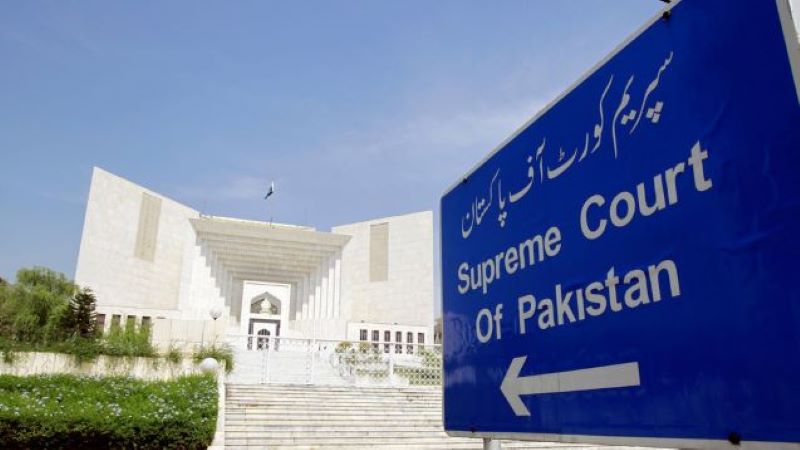
New constitutional changes create a powerful Federal Constitution Court, sideline senior judges, and centralize authority raising fears of an emerging authoritarian legal order.
Pakistan’s newly enacted 26th and 27th Constitutional Amendments have triggered a storm of concern at home and abroad, with jurists, lawyers, and rights advocates warning that the changes strike at the very heart of judicial independence and could recast the country’s constitutional landscape in dangerously authoritarian ways, according to an article of the Friday Times Pakistan on November 29, 2025.
The Twenty-seventh Amendment, signed into law on November 13, 2025, builds on the controversial Twenty-sixth Amendment passed a year earlier. Together, critics say, they restructure the judiciary with breathtaking speed, dismantle long-standing checks on executive authority, and place unprecedented power in the hands of those who already dominate the state.
The International Commission of Jurists (ICJ), in a sharply worded assessment, called the amendments “alarming” and warned that they will “significantly impair the judiciary’s ability to hold the executive accountable and protect the fundamental human rights of the people of Pakistan.”
Central to the new constitutional order is the Federal Constitution Court (FCC), which began hearing cases on November 17 despite lacking essential infrastructure. The court’s website remains poorly publicized, video-link facilities do not exist, and litigants can file appeals only through the Islamabad High Court, forcing lawyers and petitioners to bear costly and inconvenient travel. Senior jurists note that politically sensitive cases have been fast-tracked, adding to speculation about the motives behind the court’s swift launch.
The amendments also contain a contentious provision: any Supreme Court or High Court judge who declines appointment to the FCC is deemed retired. The rule has already shaken the judiciary. Justice Syed Mansoor Ali Shah and Justice Athar Minallah resigned after the 27th Amendment’s passage, deepening disquiet within legal circles.
The FCC’s first chief justice, Amin-ud-Din Khan, sworn in on November 14, will serve until age 68 or for a three-year term. Meanwhile, the Supreme Court, now diminished in authority, remains headed by Chief Justice Yahya Afridi, who assumed office under the 26th Amendment after two senior judges were bypassed.
Legal scholars argue that the amendments continue a long, troubled pattern in Pakistan’s judicial history, marked by repeated military interventions, suspension of constitutions, and courts that alternately resisted and validated authoritarian power. From the “doctrine of necessity” to the 2007 emergency targeting judges themselves, the courts have often been forced into political battles not of their own choosing.
But critics say the current moment is different: this time, constitutional changes are being used to reengineer the judiciary from within. Lawyers describe the amendments as an attempt to reclaim “unchallenged command” over the courts, using constitutional cover to tighten control rather than to reform the justice system.
As concerns mount, one principle echoes across the legal community: the judiciary can interpret the Constitution, but it cannot rescue it from political capture. That responsibility, they warn, now rests squarely with Pakistan’s elected representatives and with the people themselves.