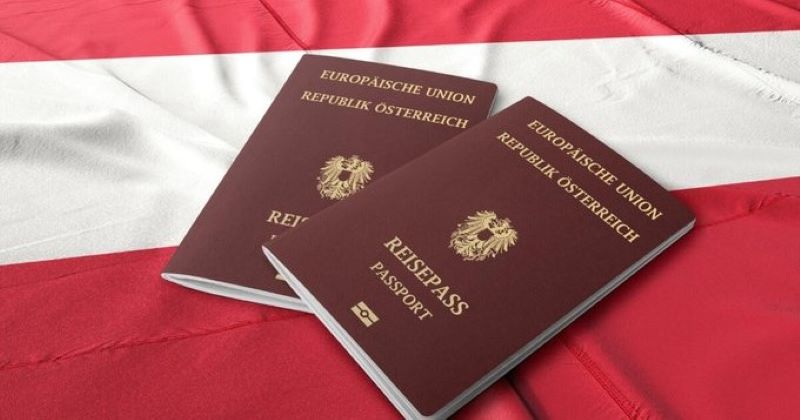
When a family spends fifteen years building a life in a country, they tend to start thinking of it as home. For one Iraqi family in Lower Austria, that feeling now hangs in a courtroom balance, according to oe24.
The father arrived in Austria in 2010, a man searching for safety, carrying little more than hope. A year later, he was granted subsidiary protection. By 2024, he had earned permanent residency. So two years ago, he did what any parent quietly dreams of doing: he applied for citizenship, for himself, his wife, and their two children. He wanted to belong officially, permanently, on paper.
Lower Austria’s government said no.
The rejection came in June 2025, wrapped in procedural language. Authorities said he had failed to produce an Iraqi passport, a proper citizenship document, and a translated Iraqi criminal record. The FPÖ-led regional government was unapologetic. “We want the criminal record. Where do we think we live?” an official bluntly told Austrian outlet Oe24.
But the family refused to walk away quietly. Armed with determined lawyers, they took the fight to court and won a significant, if incomplete, victory. The Lower Austrian Administrative Court found the rejection legally flawed, ruling that turning the family away over the passport alone was improper. An Austrian alien’s passport, the court said, is sufficient.
Yet this is not the ending. The court did not grant citizenship. It simply handed the case back to regional authorities, demanding a proper decision this time.
The family now waits again patient, tired, hopeful. Meanwhile, regional councillor Martin Antauer of the FPÖ is pushing to raise the citizenship waiting period from ten to fifteen years, insisting that asylum is “protection for a limited time” and not a quiet path to a passport.
For this family, after fifteen years, the path feels anything but quiet.