Xi and Modi Pledge Renewal of China-India Ties Ahead of Regional Summit
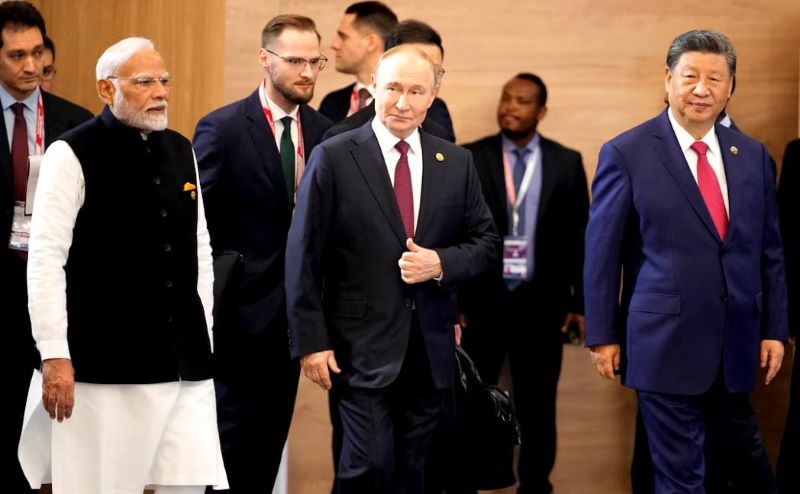
In a landmark meeting in Tianjin, Chinese President Xi Jinping and Indian Prime Minister Narendra Modi vowed to reset relations between Asia’s two most populous nations, signaling a cautious thaw after years of tension.
The visit marks Modi’s first trip to China since deadly border clashes in 2020 sent ties into a downward spiral. Speaking ahead of the Shanghai Cooperation Organization summit, Modi said relations had moved “in a meaningful direction” and pointed to “a peaceful environment at the borders after disengagement.”
Xi, echoing a conciliatory tone, urged both nations to focus on shared development rather than disputes. “We should not let the border issue define the overall China-India relationship,” Xi said, stressing that prosperity, not rivalry, should guide the future.
The rapprochement has been months in the making. In August, Chinese Foreign Minister Wang Yi visited New Delhi as both sides agreed to restart border talks, resume direct flights, and reopen visa channels. Beijing even granted Indian pilgrims access to sacred sites in Tibet—a gesture viewed as symbolic goodwill.
The timing is notable. As Washington sharpens trade measures against Delhi—most recently with 50% tariffs on Indian imports linked to Russian oil purchases—India appears eager to diversify its partnerships and safeguard its economic future. China, too, is looking to steady its neighborhood as global tensions mount.
For now, the Tianjin meeting suggests a recognition in both capitals: the world’s two rising giants cannot afford endless confrontation. Whether this spirit endures beyond ceremonial pledges will define one of Asia’s most consequential relationships.