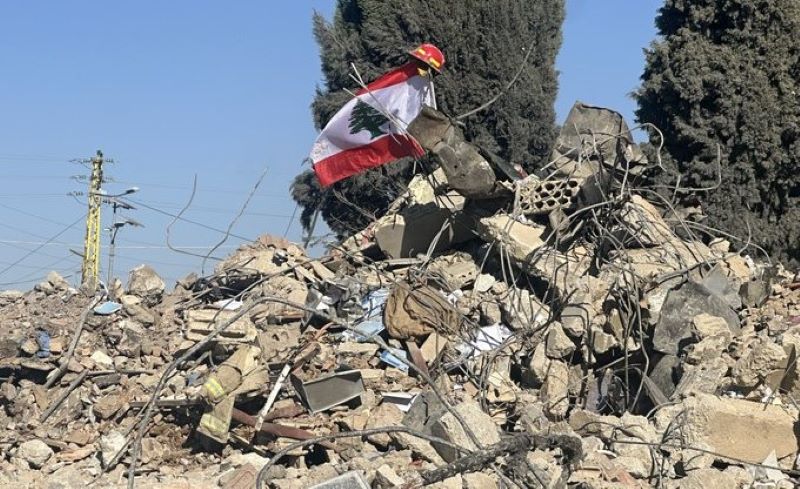
Lebanon’s army accused Israel of carrying out “acts of aggression” early Friday, just hours after a ceasefire came into effect, raising doubts about how long the fragile truce will hold, according to Arab News.
In a message posted online, the army warned residents in southern Lebanon to remain cautious, citing several reported violations shortly after midnight, when the ceasefire officially began. Lebanon’s state news agency said Israeli shelling hit the southern villages of Khiam and Dibbine within 30 minutes of the truce taking hold. Israel’s military said it was reviewing the reports.
The ceasefire, announced by U.S. President Donald Trump, is meant to pause fighting between Israeli forces and Hezbollah after weeks of intense conflict. However, Hezbollah is not formally part of the agreement, adding uncertainty to the deal. The truce is also linked to wider regional efforts involving Iran, the United States, and Israel.
Despite hopes for calm, tensions remain high. Israeli Prime Minister Benjamin Netanyahu said Israel agreed to the ceasefire to support diplomatic efforts but made it clear that Israeli troops would stay in southern Lebanon. He described the area as a planned “security zone” extending about 10 kilometers into Lebanese territory.
Hezbollah responded with a warning of its own, saying any continued Israeli presence would be treated as occupation and could trigger further resistance, depending on developments.
Under the ceasefire terms, Israel is allowed to act against immediate threats but is otherwise expected to halt attacks. Critics say this leaves room for continued military action under certain conditions, as seen in past agreements.
Fighting continued until the final moments before the truce, with rockets launched into northern Israel and sirens sounding in border areas just before midnight.
On the ground, the situation remains uncertain. Some families have begun returning to their homes in southern Lebanon, even as officials urge caution. In Beirut, celebratory gunfire marked the start of the ceasefire.
After weeks of violence that displaced more than a million people, the agreement offers a moment of hope but its future remains unclear.