ISLAMABAD: The fragile relationship between Pakistan and Afghanistan has further strained following deadly border skirmishes and escalating cross-border tensions. Dozens of soldiers from both nations have been killed in recent clashes, intensifying longstanding disputes over militant sanctuaries.
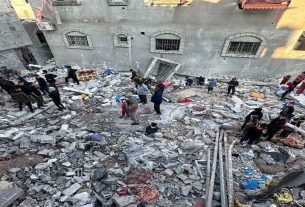
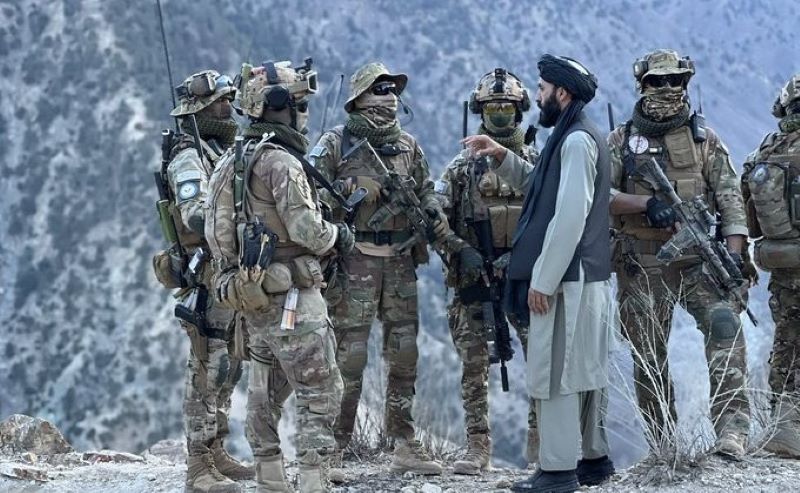
Taliban Information Minister Khairullah Khairkhwa, in a rare admission, indicated that the Afghan government views anti-Pakistan militants, including the outlawed Tehrik-e-Taliban Pakistan (TTP), as “guests” under Afghan traditions. His remarks follow unverified claims by the Taliban that Pakistani airstrikes in Paktika province earlier this week killed nearly 50 civilians, predominantly refugees. The United Nations noted credible reports of civilian casualties but could not independently confirm the toll.
Islamabad, while refraining from officially acknowledging the strikes, attributed the operations to targeted attacks on TTP hideouts. Pakistani officials stated that several key TTP commanders were among the dozen militants killed. The TTP, responsible for a surge in attacks in Pakistan since the Taliban’s return to power in Kabul in 2021, has been accused of operating freely from Afghan territory.
Prime Minister Shehbaz Sharif reiterated Pakistan’s demand for the Taliban to curb TTP activities, emphasizing that cross-border terrorism is a “red line.” He stressed that Pakistan is open to dialogue with the Afghan government but warned of no progress if TTP militants continue to operate with impunity.
The Pakistani military disclosed that its counterterrorism efforts this year have killed over 900 militants, including Afghan fighters, while nearly 400 Pakistani security personnel have died in the conflict.
Khairkhwa’s remarks underscore deep-rooted tensions, recalling the Taliban’s historical stance of harboring militants, including al-Qaeda leader Osama bin Laden, under the guise of hospitality. While the Taliban previously pledged to prevent transnational groups from using Afghanistan as a base, growing attacks suggest otherwise, raising regional stability concerns.
Efforts to ease tensions remain crucial as violence jeopardizes peace and regional cooperation.