

Vienna’s citizenship authority is examining whether former Austrian Foreign Minister Karin Kneissl should lose her Austrian citizenship, according to reports on Monday. The review focuses on whether Kneissl, who has lived in Russia for several years, has acquired another nationality. Under Austrian law, acquiring a foreign citizenship can lead to the automatic loss of Austrian citizenship.
Authorities are also considering a second possible ground for withdrawal: whether an Austrian citizen serving a foreign state has seriously damaged the interests or reputation of the Republic of Austria through their conduct.
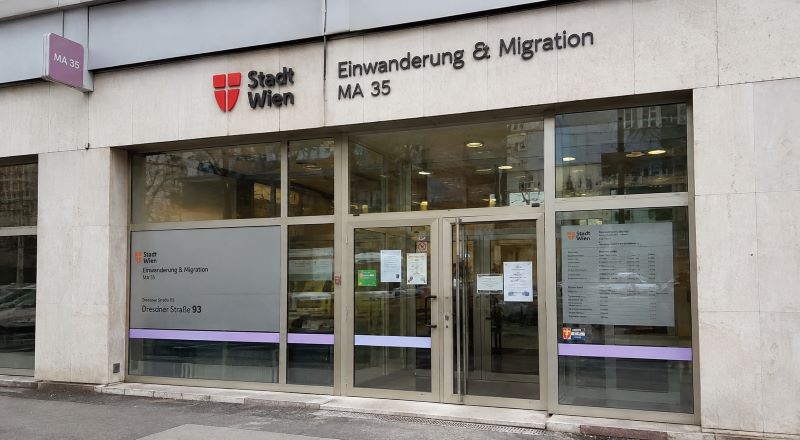
Kneissl’s last registered main residence in Austria was in Vienna. That is why the city’s Magistratsabteilung 35, or MA 35, is now handling the citizenship determination procedure. In March, the NEOS party called for Kneissl’s citizenship to be revoked and submitted a detailed account of the case to the government of Lower Austria. A spokesperson for Deputy Mayor Bettina Emmerling, who oversees MA 35, said the Vienna authority is responsible because of Kneissl’s former residence in the capital.
Kneissl has warned that she could become stateless if Austria removes her citizenship. The Russian news agency TASS reported that she said the Austrian leadership had begun a legal process to strip her of her nationality. If the withdrawal becomes final, she said, she would apply for a United Nations travel document.
Kneissl served as Austria’s foreign minister from 2017 to 2019 and was known for advocating closer ties with Russia. In 2018, she invited Russian President Vladimir Putin to her wedding in Styria. In 2023, she said she was moving to Saint Petersburg to work at an academic center that she would lead.
The case has drawn attention because it combines questions of citizenship law, political loyalty and Austria’s relationship with Russia. It also highlights the difference between an investigation and a final decision: MA 35 is reviewing the facts, but Kneissl has not yet been formally stripped of her Austrian citizenship. Any final withdrawal would need to follow Austria’s legal procedures and could be challenged in court.
For now, the review marks a significant new step in a dispute that has followed Kneissl since she left government and moved closer to Russia.





