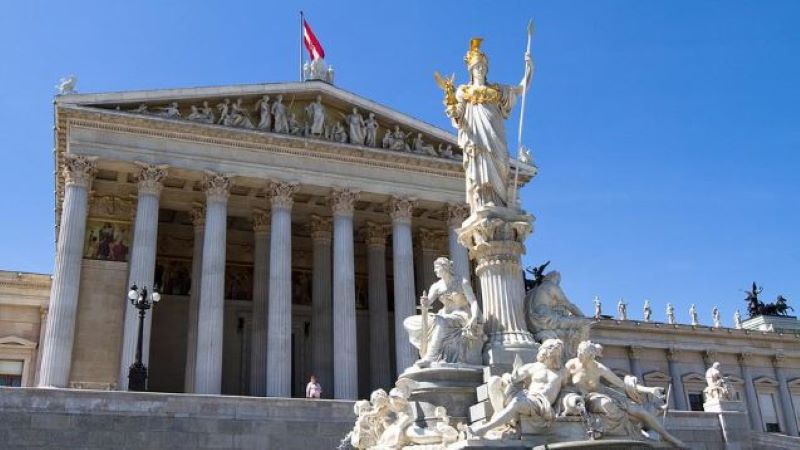
Austria’s National Council voted on Friday to temporarily halt family reunification for people granted asylum or subsidiary protection. While immediate relatives may still apply through diplomatic channels, the legislative change is expected to significantly delay most cases.
The parliamentary session began with a question round to Chancellery Minister Claudia Plakolm (ÖVP), focusing largely on integration matters. The previous evening’s session had ended after more than 13 hours, hindered by technical glitches, including repeated sound system failures at the MPs’ podium.
Debate later turned emotional over a resolution criticizing Hungary’s ban on its Pride Parade. FPÖ MP Susanne Fürst argued the move represented unwarranted interference in another country’s affairs and accused other parties of neglecting child protection. Her comments drew strong criticism from all other factions. Foreign Minister Beate Meinl-Reisinger (NEOS) emphasized the importance of standing up for European values and thanked the chamber for backing the resolution against the FPÖ’s position.
Controversy also erupted earlier when FPÖ MP Peter Wurm used the term “Umvolkung,” a word linked to Nazi ideology. The fact that National Council President Walter Rosenkranz (FPÖ) refused to censure the remark further inflamed tensions. He argued the word could be interpreted differently, a claim rejected by other parties. The session was temporarily suspended, and Wurm later withdrew the term when questioned.