

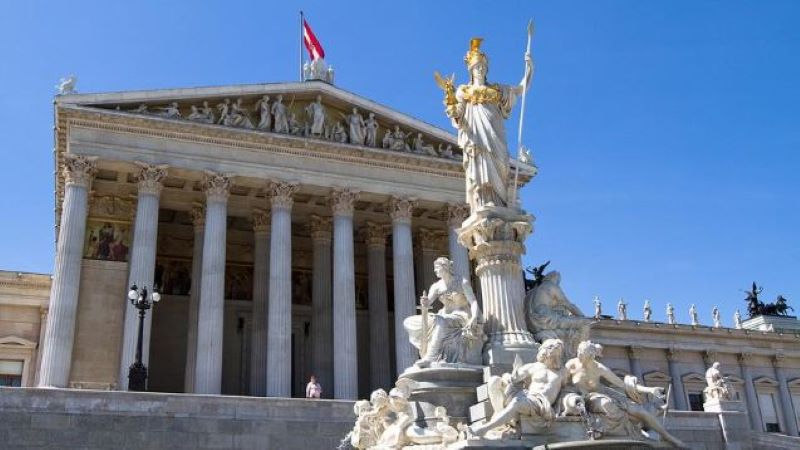
VIENNA — While much of Austria grapples with surging inflation and a strained national budget, lawmakers are heading out for a 75-day summer break — leaving behind a growing list of unresolved crises.
Beginning Friday, Parliament shutters its doors for nearly 11 weeks, halting legislative activity at a time when many Austrians are tightening their belts. Inflation remains stubbornly high, government coffers are running dry, and key reforms — including social assistance and budget restructuring — remain stuck in limbo.
But earlier this week, leaders of the ruling three-party coalition painted a far rosier picture. Chancellor Christian Stocker (ÖVP), Vice Chancellor Andreas Babler (SPÖ), and Foreign Minister Beate Meinl-Reisinger (NEOS) offered glowing self-assessments during a press briefing, congratulating one another for what they called a productive legislative season.
Critics see it differently. They point to stalled projects, like the unfinished office of MP Sepp Schellhorn, and accuse lawmakers of stepping away from their posts just as Austrians face some of the most serious economic challenges in recent memory.
By contrast, average citizens typically receive just 25 vacation days per year — a fraction of what politicians are now taking. And while emergency parliamentary sessions can be called, they’re rare during the summer months.
The next regular session is scheduled for September 24.
Meanwhile, for many Austrian families, the idea of a summer getaway is little more than a fantasy. One in five households can no longer afford a vacation due to rising prices. As politicians disappear to lakesides and mountain retreats, a frustrated public is left to navigate a cost-of-living crisis that shows no signs of taking a break.





