Israeli Strike in Doha Sparks Regional Tensions
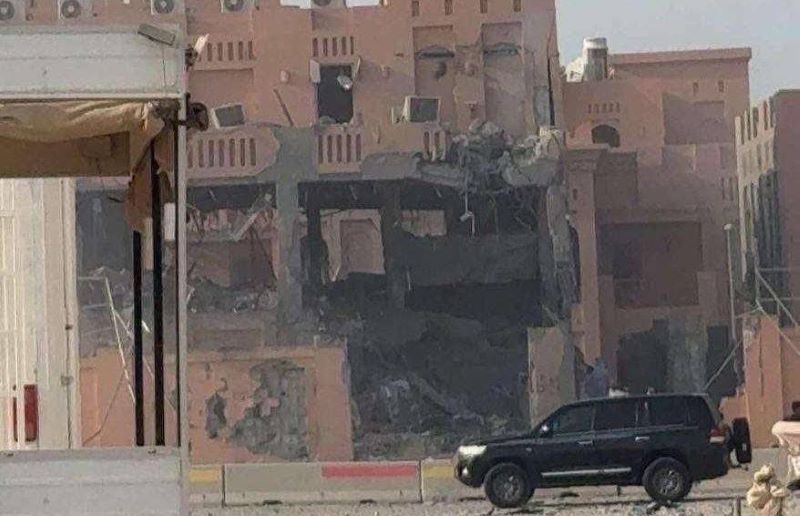
The fallout from Israel’s September 9 airstrike in Doha, Qatar’s capital, is still reverberating across the Arab world, fueling concerns of a wider regional conflict.
The attack targeted senior Hamas officials Khalil al-Hayya, the group’s lead negotiator, and former political leader Khaled Meshaal. Both survived, but several others, including al-Hayya’s son, were killed.
What made the strike extraordinary was not just the deaths but the location. Doha has long served as a hub for delicate diplomacy, hosting Hamas and even the Taliban at Washington’s request. By hitting in the Qatari capital, Israel signaled that no city, peace channel, or international norm would limit its reach.
Prime Minister Benjamin Netanyahu claimed responsibility, likening the operation to the 2011 U.S. raid that killed Osama bin Laden. He warned states sheltering “terrorists” to act or risk Israel acting on their behalf. Critics quickly dismissed the comparison, noting that Hamas leaders operated openly in Qatar with international approval, unlike bin Laden, who was in hiding.
Regional and International Reaction
Arab governments responded with the usual condemnations. Qatar said it “reserved the right to respond,” though analysts saw this as largely symbolic. Egypt, Jordan, Saudi Arabia, the UAE, and Bahrain issued statements of disapproval but took no further steps, with many regimes reluctant to risk confrontation while grappling with Iran, domestic unrest, and the lingering fear of another Arab Spring.
Western reactions were muted. Washington warned the strike “does not advance Israel or America’s goals,” and former President Donald Trump said he was “very unhappy” with how it was carried out. In Europe, Commission President Ursula von der Leyen floated sanctions against some Israeli ministers and a partial freeze on economic cooperation, moves critics called half-hearted.
A Pattern of Assassinations
The Doha attack also revived debate over Israel’s history of killing Hamas leaders during peace talks. In 2012, military chief Ahmed Jabari was assassinated in Gaza while reviewing a ceasefire proposal. Sheikh Ahmed Yassin and Abdel Aziz al-Rantissi were both killed after offering long-term truces. And in 2024, political chief Ismail Haniyeh was assassinated in Tehran during U.S. backed negotiations.
Analysts say this pattern undermines diplomacy and entrenches Israel’s reliance on force. “It shows a deliberate strategy,” said a former European diplomat. “Israel wants to dictate the pace of war and peace, and assassinations are part of that calculation.”
A Warning to Arab States
For Arab leaders, the message was clear. By striking in Doha, Israel demonstrated its willingness to act far beyond traditional battlefields—even in capitals considered politically protected. Observers warn that the same logic could extend to other Arab states, including those that recently normalized ties with Israel.
Whether these governments reconsider their approach remains uncertain. For now, their reactions have been confined to words. Israel, meanwhile, appears determined to expand both its military reach and political leverage one strike, and one capital, at a time.