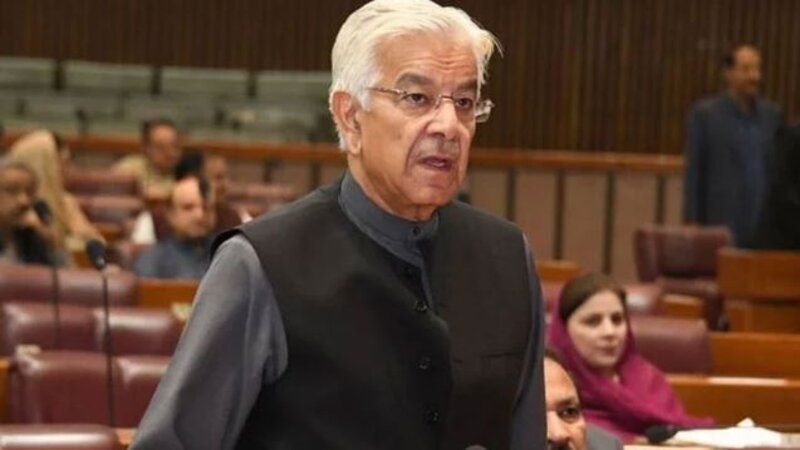
Pakistan’s Defence Minister Khawaja Asif has questioned the loyalty of senior bureaucrats, alleging that many serving officials have quietly prepared to settle abroad while still holding public office, reported by The Express Tribune.
In a statement on X on Sunday, Asif said Pakistan’s civil service includes capable and honest officers, but claimed that a significant number had made Canada, the United States, the United Kingdom and other European countries their permanent homes over recent years.
He alleged that some officials had arranged their relocation through a deliberate plan while employed by the Government of Pakistan, raising questions about their commitment to the country and the responsibilities they held during their careers.
Portugal, he said, had emerged as a favoured destination in what he described as a “bureaucratic exodus.” Asif said he had raised the issue on social media several months earlier.
His latest remarks echo a sharper statement he made in August 2025, when he claimed that more than half of Pakistan’s bureaucracy had bought property in Portugal and was seeking citizenship there. At the time, he alleged that officials had accumulated “billions of rupees” and planned comfortable retirements abroad, though he offered no documentary proof.
Asif has also repeatedly claimed that a large proportion of serving Pakistani diplomats hold foreign nationalities, residence permits, resident visas or green cards. He has argued that such arrangements raise doubts about whether officials serving abroad see themselves as representatives of Pakistan or as people preparing for a future elsewhere. These claims, like his broader allegations, have not been independently verified.
In Sunday’s statement, the defence minister alleged that an intermediary who helped arrange permanent residency for influential bureaucrats had fled after collecting large sums of money. He said troubling accounts were circulating, but did not name individuals or provide evidence.
“Does it rise above all doubt and suspicion, or are they merely in transit?” Asif asked, suggesting that some senior officials may view Pakistan not as home, but as a temporary posting before settling overseas.
He said the officers whose names had surfaced held important positions and remained close to successive governments. Their alleged overseas plans, he argued, contrasted sharply with the privileges and public respect they had enjoyed in office.
The remarks have renewed debate over the overseas assets, residency arrangements and long term settlement plans of serving and retired civil servants. Critics have previously questioned the scale of Asif’s claims, noting that he has not published names or verifiable records.
For now, the allegations remain unproven but they have placed an uncomfortable question before Pakistan’s powerful bureaucracy: where, ultimately, do its loyalties lie?