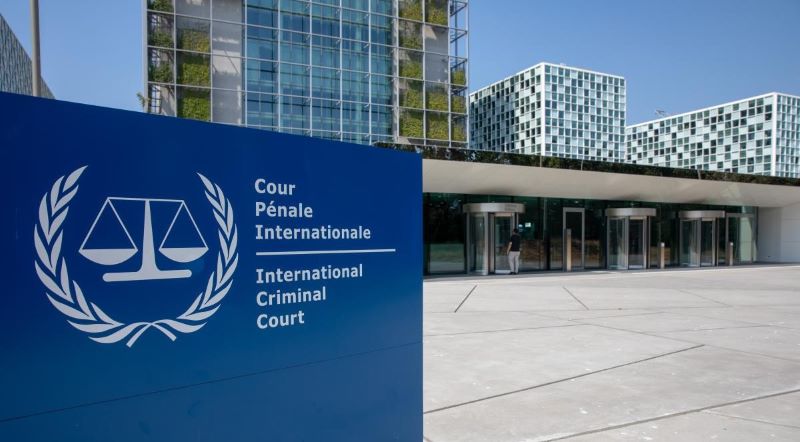
WASHINGTON — The Trump administration has expanded its campaign against the International Criminal Court (ICC), imposing sanctions on the court’s president, Tomoko Akane, and a senior trial lawyer, Abdoulaye Seye. The move deepens a long-running clash between Washington and the Hague-based tribunal over investigations into US and Israeli actions.
Secretary of State Marco Rubio announced the measures on Tuesday, framing them as part of an effort to “dismantle” what he called a “sham” court. “The Trump Administration is sanctioning ICC President Tomoko Akane and Senior Trial Lawyer Abdoulaye Seye in our unwavering mission to protect Americans from this sham of a court,” Rubio wrote on social media, invoking the Declaration of Independence to argue that Americans should never face trial abroad for “pretend offenses.”
The sanctions, which take effect on September 17, freeze any US-held assets belonging to Akane and Seye and bar US-based entities from doing business with them. They follow earlier restrictions on more than a dozen ICC judges and prosecutors, which have pushed many financial institutions to cut ties with those officials, according to Al Jazeera News. The US has also targeted human rights groups and UN special rapporteur Francesca Albanese for cooperating with the court.
In June, three ICC judges sued the Trump administration, calling the sanctions “arbitrary and capricious” and an attack on judicial independence. The court itself warned that threatening judges for applying the law puts the entire international legal order at risk.
Washington argues the ICC exceeded its authority by probing alleged US war crimes in Afghanistan and, more recently, by issuing arrest warrants for Israeli Prime Minister Benjamin Netanyahu and former defence minister Yoav Gallant over conduct in Gaza. Neither the US nor Israel is an ICC member, but the court says it can investigate crimes committed on the territory of its 125 member states.
The pressure appears to be having an effect: Chad and Venezuela have announced plans to withdraw from the ICC, with critics pointing to US influence as a factor. Rubio, however, signaled more punitive steps could follow, calling the court “corrupt and fatally politicized” and vowing not to tolerate what he described as its “assault on state sovereignty.”