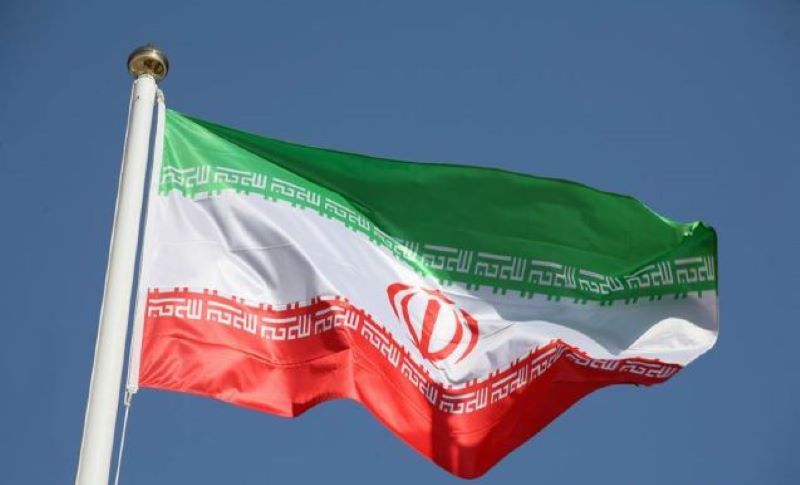
Diplomatic channels between Tehran and Washington reopened this week in Oman, marking a cautious return to negotiations over Iran’s controversial nuclear program, according to Reuters. Yet one issue remains non-negotiable for Iranian officials: their nation’s right to enrich uranium on home soil.
Foreign Minister Abbas Araqchi made Iran’s position crystal clear on Sunday. “Zero enrichment can never be accepted by us,” he declared, framing the dispute as a matter of national sovereignty rather than mere technical disagreement. For Tehran, uranium enrichment represents more than nuclear capability, it symbolizes independence and self-determination.
The talks, held indirectly through Omani mediators on Friday, come at a precarious moment. American warships have increased their presence in regional waters, while Iranian leaders have promised severe retaliation if attacked. Both sides appear eager to rebuild trust after years of escalating tensions, but the path forward remains uncertain.
Last year, five rounds of negotiations collapsed primarily over this very question: Should Iran be permitted to enrich uranium within its borders? The United States fears enrichment could provide a pathway to nuclear weapons. Iran insists its nuclear program serves exclusively peaceful purposes energy production and medical research.
The situation grew more complicated last June when American forces struck Iranian nuclear facilities following a 12-day Israeli bombing campaign. Tehran subsequently halted its enrichment activities, though officials maintain they deserve the right to resume operations under international supervision.
According to a regional diplomat briefed on the discussions, Iran has shown flexibility regarding enrichment levels and purity standards. However, any agreement must allow domestic enrichment and deliver tangible benefits: sanctions relief and military de-escalation.
“Iran’s insistence on enrichment is rooted in a desire for independence and dignity,” Araqchi explained. “No one has the right to tell the Iranian nation what it should or should not have.”
President Masoud Pezeshkian echoed this sentiment, calling the talks a “step forward” while demanding respect for Iran’s rights under the Nuclear Non-Proliferation Treaty.
One topic conspicuously absent from negotiations? Iran’s missile program, which Washington wants addressed but Tehran refuses to discuss. The next round of talks will occur at a location yet to be determined.