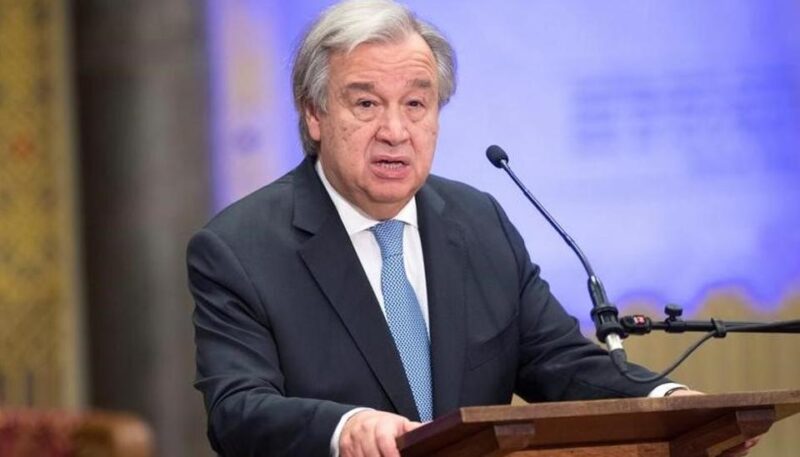
UNITED NATIONS — The United Nations is on the brink of financial collapse unless member states meet their financial obligations, Secretary-General António Guterres warned Friday, unveiling a sharply reduced $3.24 billion regular budget for 2026, the smallest in over a decade. according to APP.
The proposal marks a 15 percent cut from 2025’s approved spending plan and a dramatic reduction from Guterres’ original request for $3.7 billion. Presenting the figures to the Fifth Committee of the General Assembly, which oversees the UN’s finances, Guterres described a “deeply precarious” fiscal outlook fueled by mounting arrears, delayed payments, and the mandated return of unused credits to member states.
“Any delays in collections early in the year will force us to reduce spending even more and potentially face the prospect of returning $600 million in 2027,” he warned. “That means a race to bankruptcy.”
Under the new plan, the UN Secretariat’s workforce would shrink by nearly 19 percent, from 13,809 posts to 11,594. The deepest cuts will target administrative and support services, while programs aiding least developed countries, small island states, and African development initiatives will be protected.
The liquidity crisis is already biting. The UN entered 2025 with a $135 million deficit and, by late September, had collected only 66 percent of member contributions compared to 78 percent at the same point last year. As of that date, only 136 of 193 member states had paid in full. Major contributors including the United States, China, Russia, and Mexico remain behind on payments.
Despite austerity, Guterres vowed to preserve funding for key missions: 37 Special Political Missions, the Resident Coordinator System ($53 million), and the Peacebuilding Fund ($50 million). The Office of the High Commissioner for Human Rights will continue expanding regional hubs across Africa, Asia, and Latin America.
Guterres urged member states to approve a mechanism to suspend credit returns during liquidity crises, calling it essential to avert “a financial free fall.” The General Assembly is expected to vote on the 2026 budget by December.